How to Choose a Smart Home Installer: 10 Essential Questions to Ask
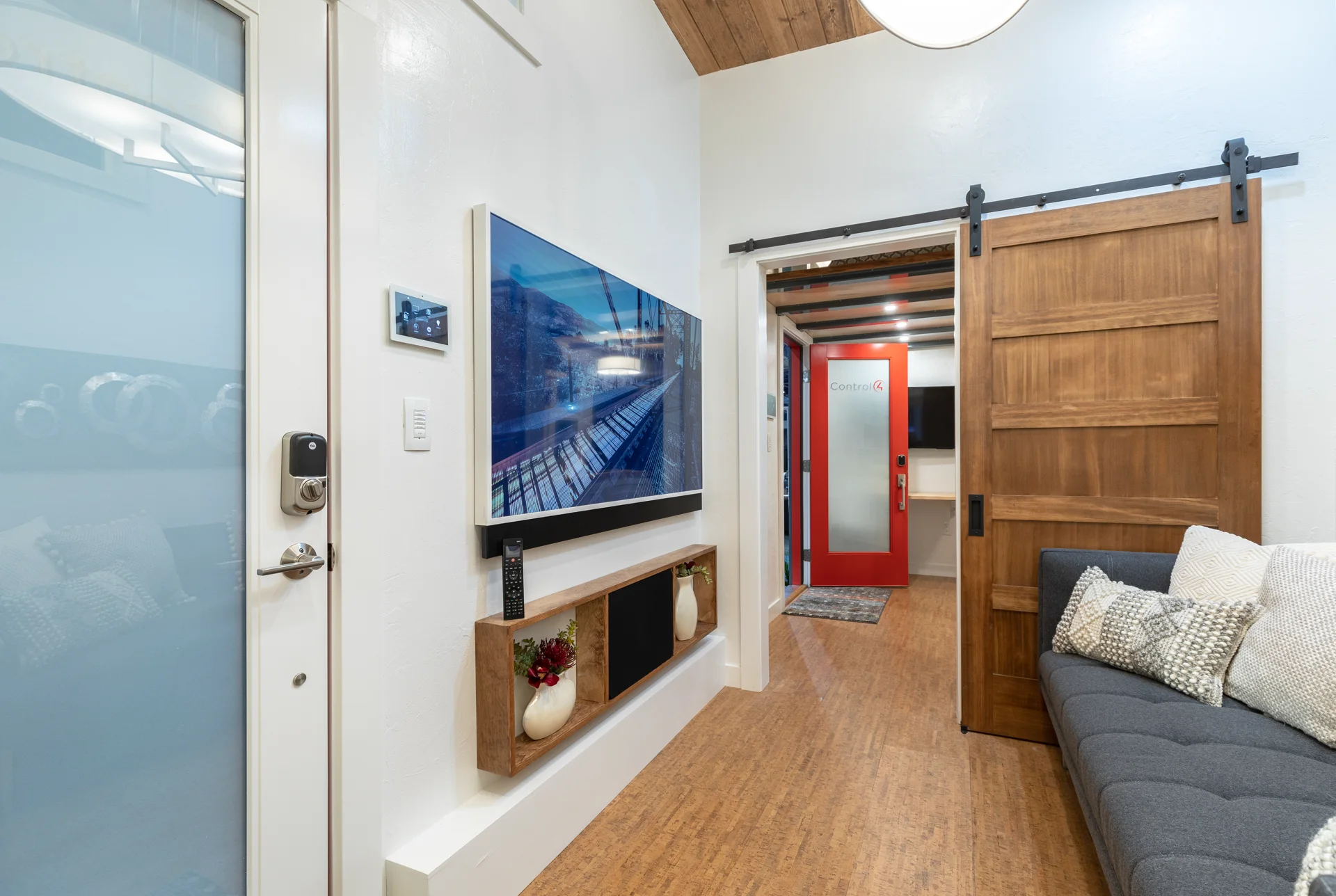
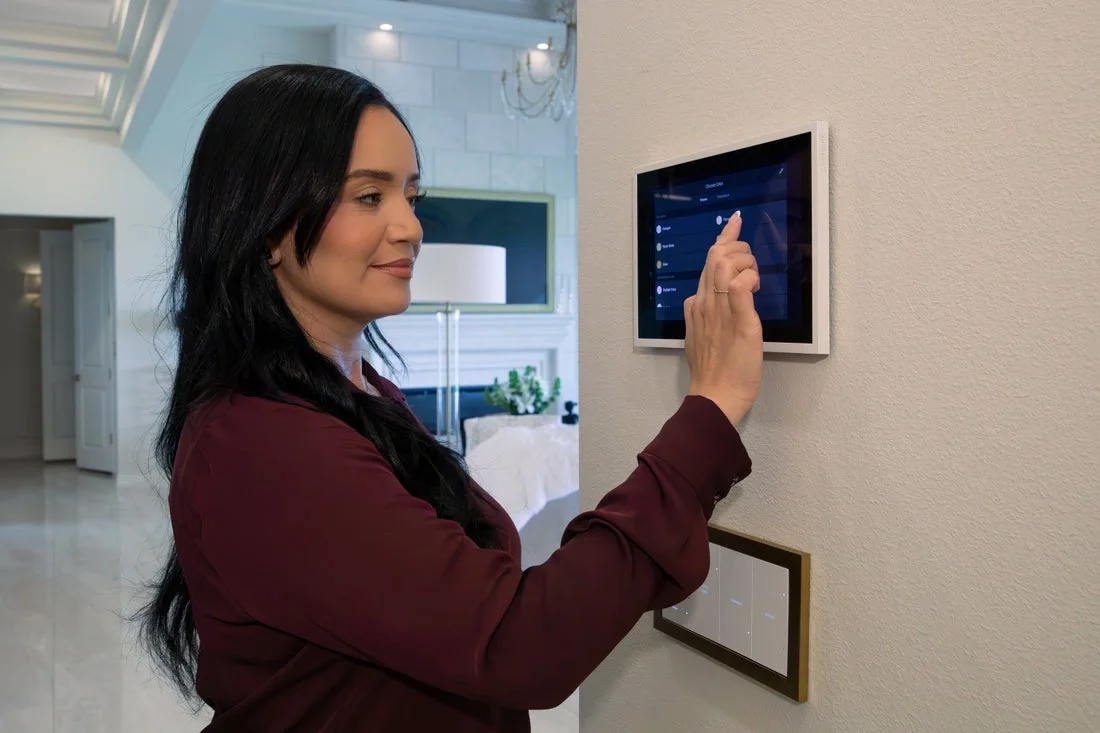
A smart-home proposal should be judged by its design, documentation and support commitments—not only its equipment list. The installer will touch the network, electrical coordination, finished surfaces and systems the household uses every day.
Use these 10 questions to compare Chicago-area integrators on licensing, scope, engineering, trade coordination, programming, commissioning, cybersecurity, closeout and service.
Quick tip: Favor clear, specific answers supported by documents. If a requirement is still unknown, a careful installer should identify the assumption and explain how it will be resolved before work begins.
Ask to see the work hidden behind the finished room
A polished app demo matters, but rack construction, labeling, network design and commissioning determine whether the system remains serviceable.
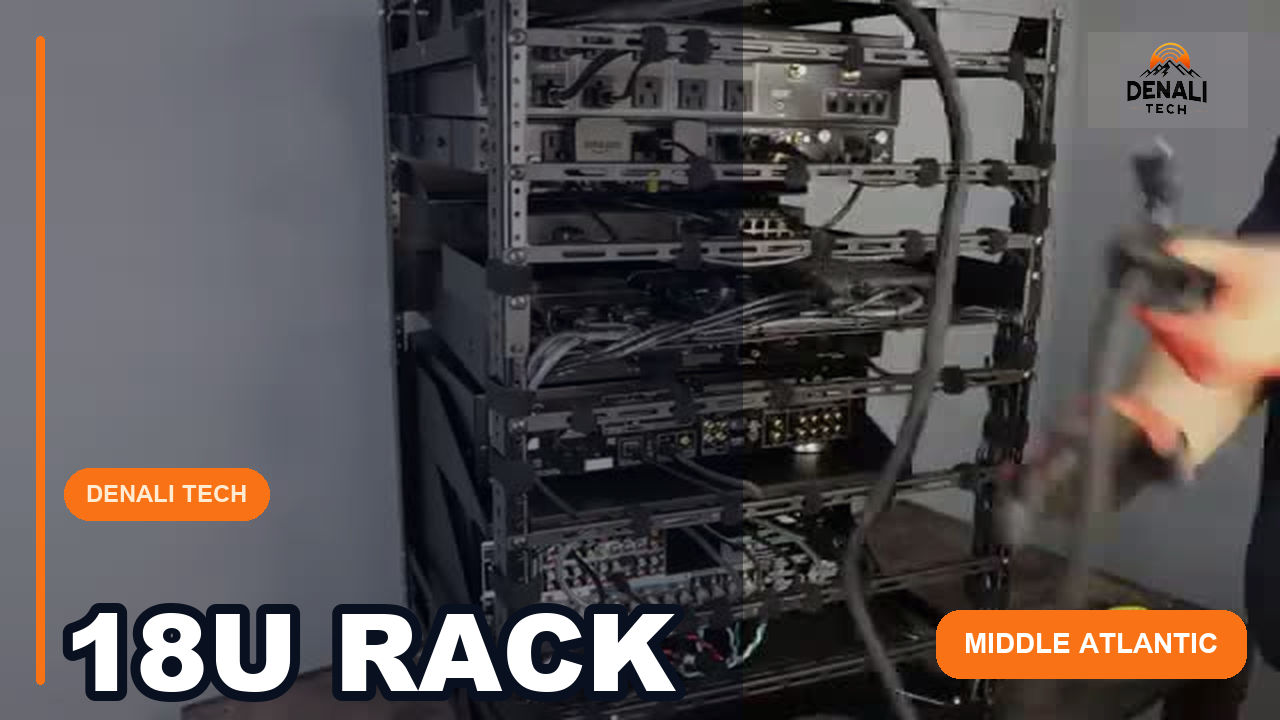
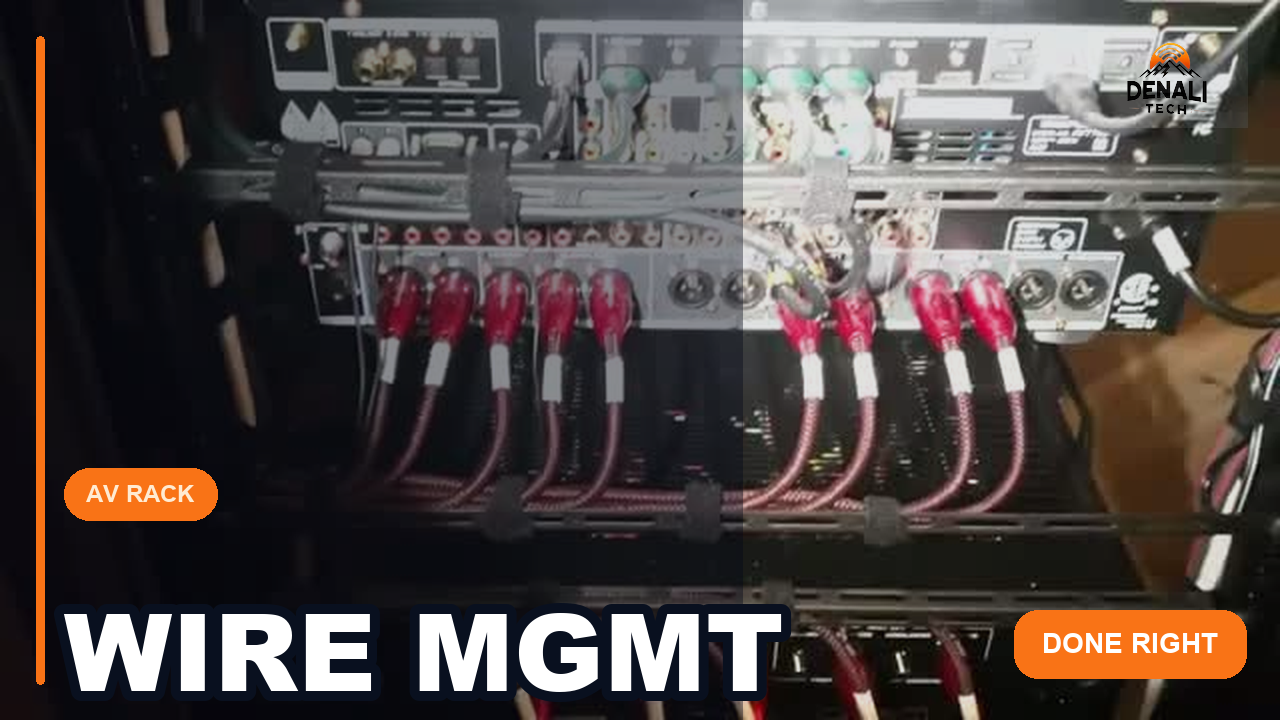
Proof to request: sample closeout documents, rack photos, network map, device schedule, programming scope, warranty process and the exact support path after installation.
Question 1: Are You Licensed and Insured?
What to Ask:
"Can you provide documentation of your business license and insurance? What does your insurance cover?"
Why it matters: Licensing and insurance requirements depend on location and the work being performed. Documentation helps you confirm that electrical, alarm, low-voltage, structural, or other regulated work is assigned to the appropriate party. Insurance is not a promise that every loss is covered.
What to look for:
- Required business and trade licenses for the jurisdiction and scope
- Certificate of general liability insurance with limits appropriate to the project and contract
- Workers' compensation or legally applicable equivalent
- Bonding when required by the owner, lender, contract, or authority
🚩 Red Flag:
Do not authorize regulated work until the required license and requested insurance documentation have been verified for the company and trade performing it.
Question 2: Are You an Authorized Dealer?
What to Ask:
"Are you an authorized dealer for Control4/URC/Lutron? Can you verify this with the manufacturer?"
Why it matters: Authorized dealers have:
- Access to manufacturer support and training
- Access to products and warranty processes offered through that dealer channel
- Latest software and programming tools
- Direct manufacturer support when needed
How to verify: Check the manufacturer's website (Control4.com, URC.com) for authorized dealer listings.
Question 3: How Long Have You Been in Business?
What to Ask:
"How long have you been installing smart home systems? How many installations have you completed?"
Why it matters: Relevant experience can reduce risk, but years in business alone do not prove workmanship. Look for:
- Projects similar in scope and construction type
- Repeatable design, change-order, testing, and closeout processes
- Manufacturer training relevant to the proposed products
- A service and escalation path that will exist after installation
What to look for: Ask for evidence of comparable work, the names and roles of the people assigned to your project, and sample documentation. There is no universal minimum number of years or installations that guarantees quality.
Question 4: Can You Provide References?
What to Ask:
"Can you provide 3-5 references from recent customers? Can I see examples of your work?"
Why it matters: Recent references and project examples can reveal communication, change management, cleanliness, training, and post-install support. Treat them as one input, not a guarantee.
What to do:
- Call the references
- Ask about their experience
- Check online reviews (Google, Yelp, BBB)
- Look at their portfolio/project gallery
🚩 Red Flag:
Look for consistent patterns across recent reviews and references. A star threshold alone can be misleading; read how the company responds to problems and verify work similar to yours.
Question 5: What's Included in the Price?
What to Ask:
"What exactly is included in this price? Are there any hidden fees? What's NOT included?"
Why it matters: Some companies quote low prices, then add fees for:
- Programming
- Training
- Warranty
- Support
- Travel time
What should be addressed:
- Equipment
- Installation
- Programming/configuration
- Training
- Manufacturer and labor warranty terms
- Included support period, response expectations, and later service rates
Get it in writing: Make sure everything is detailed in the contract before you sign.
Question 6: What Kind of Support Do You Provide?
What to Ask:
"What happens after installation? Do you offer support? Is there a monthly fee? How quickly do you respond to issues?"
Why it matters: Smart home systems need ongoing support. Things break, you have questions, technology updates. You need someone to help.
What to look for:
- Support term after install
- Clear explanation of included, hourly, and subscription support
- Written service hours and response targets appropriate to your needs
- Remote troubleshooting capability
- On-site service when needed
🚩 Red Flag:
A monthly service plan can be reasonable when its coverage and response commitments are clear. The red flag is an undefined support promise, surprise fees, or no named owner for manufacturer, remote, and on-site issues.
Question 7: Who Will Actually Do the Installation?
What to Ask:
"Will you personally do the installation, or will you send technicians? Are they employees or subcontractors? Are they certified?"
Why it matters: You want to know who's working in your home. Are they qualified? Are they trustworthy?
What to look for:
- Named employees and subcontractors with clearly assigned responsibilities
- Training or certifications relevant to the work they will perform
- Owner-approved screening and site-access requirements stated in the contract
- Appropriate supervision for junior team members
Question 8: What's Your Warranty Policy?
What to Ask:
"What warranties do you provide? Manufacturer warranty? Installation warranty? What's covered and for how long?"
Why it matters: Things break. You need to know what's covered and who pays for it.
What to look for:
- Manufacturer warranty for each exact product and purchase channel
- Installer workmanship term and its exclusions
- Who pays labor, travel, shipping, removal, and reinstallation for a product claim
- Clear explanation of what's covered
Question 9: Can You Work with My Existing Equipment?
What to Ask:
"I already have [smart lights/TV/audio system]. Can you integrate it, or do I need to replace everything?"
Why it matters: Reuse can save cost and disruption, but an existing device may be incompatible, unsupported, insecure, failed, account-locked, or impractical to service. The installer should explain the evidence behind reuse or replacement.
What to look for: They should assess your existing equipment and tell you what can be integrated vs. what needs replacing. They shouldn't push you to replace everything unnecessarily.
Question 10: What Happens if Something Goes Wrong?
What to Ask:
"What's your process if something doesn't work? How do you handle problems? Do you stand behind your work?"
Why it matters: Problems happen. You need to know how they'll be handled.
What to look for:
- Clear problem-resolution process
- Clear distinction between warranty work, installer error, manufacturer failure, third-party outage, change request, and billable service
- written service terms
- Good communication when problems arise
Red Flags to Watch For
Here are warning signs that you're dealing with a bad installer:
- Pressure to sign immediately: "This price is only good today!"
- Unusually low prices: If it seems too good to be true, it probably is
- No references or portfolio: Can't show past work
- Vague answers: Can't explain what they'll do
- No insurance/licensing: Can't provide documentation
- Bad reviews: Multiple negative reviews online
- Pushy sales tactics: Trying to upsell aggressively
- No contract: Won't put things in writing
Green Flags: Signs of a Good Installer
Here's what good installers do:
- Answer questions confidently: They know their stuff
- provide documentation: Licenses, insurance, references
- Transparent pricing: Clear about costs, no hidden fees
- Good communication: Responsive, clear explanations
- Professional appearance: Clean, organized, on time
- Relevant references: Recent examples comparable to your scope
- Willing to educate: Explains things without being condescending
- No rush: Lets you make decisions at your pace
How to Compare Multiple Installers
When you're comparing multiple companies:
- Get quotes from 3 companies: Compare apples to apples
- Ask all 10 questions: See how they respond
- Check references: Call past customers
- Read reviews: Look for patterns
- Trust your gut: Who do you feel most comfortable with?
Remember: The lowest price may be appropriate or may omit scope. Compare exact models, quantities, labor, programming, exclusions, warranty, support, and acceptance tests before deciding.
Ready to Find the Right Installer?
Denali Tech is prepared to answer these questions and document the proposed equipment, work, programming, exclusions, warranty, and support process. Verify current dealer status directly with the relevant manufacturer when it matters to your purchase.
Send Project DetailsOr message us on WhatsApp
Primary references
CEDIA homeowner guidance · CEDIA standards and best practices · Control4 dealer, privacy, and security information. Reviewed August 15, 2026. Certifications and brand authorization are useful checks, but they do not replace a written scope, references, insurance, permits where required, documentation, warranty terms, and a clear support process.
Final Thoughts
Choosing the right smart home installer is one of the most important decisions you'll make. A good installer makes your life easier. A bad one makes it miserable.
Don't rush the decision. Ask these questions, check references, read reviews, and trust your instincts. The right installer will be happy to answer everything and provide documentation.
Remember: You're not just buying equipment - you're buying a relationship. Choose someone you trust, who communicates well, and who will be there when you need them.
We're Here to Help
As professional smart home installers in Chicago, we're happy to answer any questions you have. Straight answers - just honest advice to help you make the right choice.
Send Project Details