Rooms do not feel right
Lights are too harsh, too dim, or annoying to adjust through the day.
Good lighting and shades make the home feel easier to live in. Denali Tech installs dimmers, scenes, schedules, and motorized shades that work cleanly with your home.
Lights are too harsh, too dim, or annoying to adjust through the day.
Shades are hard to reach, always forgotten, or not matched to how the room is used.
Switches, apps, remotes, bulbs, and shades should work together instead of fighting each other.
The useful questions are simple: when is the room too bright, too dark, too exposed, or too annoying to control?
We review switches, dimmers, bulbs, shade controls, apps, and scenes that do not match how the room is used.
We plan keypad locations, dimming loads, shade wiring or power, window coverage, and smart-home integration before finishes go in.
We tune glare, privacy, night paths, entertaining scenes, and daily schedules so the system feels natural.
These room examples show a hallway keypad and roller shades across large windows. Consider control placement, fabric, power, and daily routines before ordering.
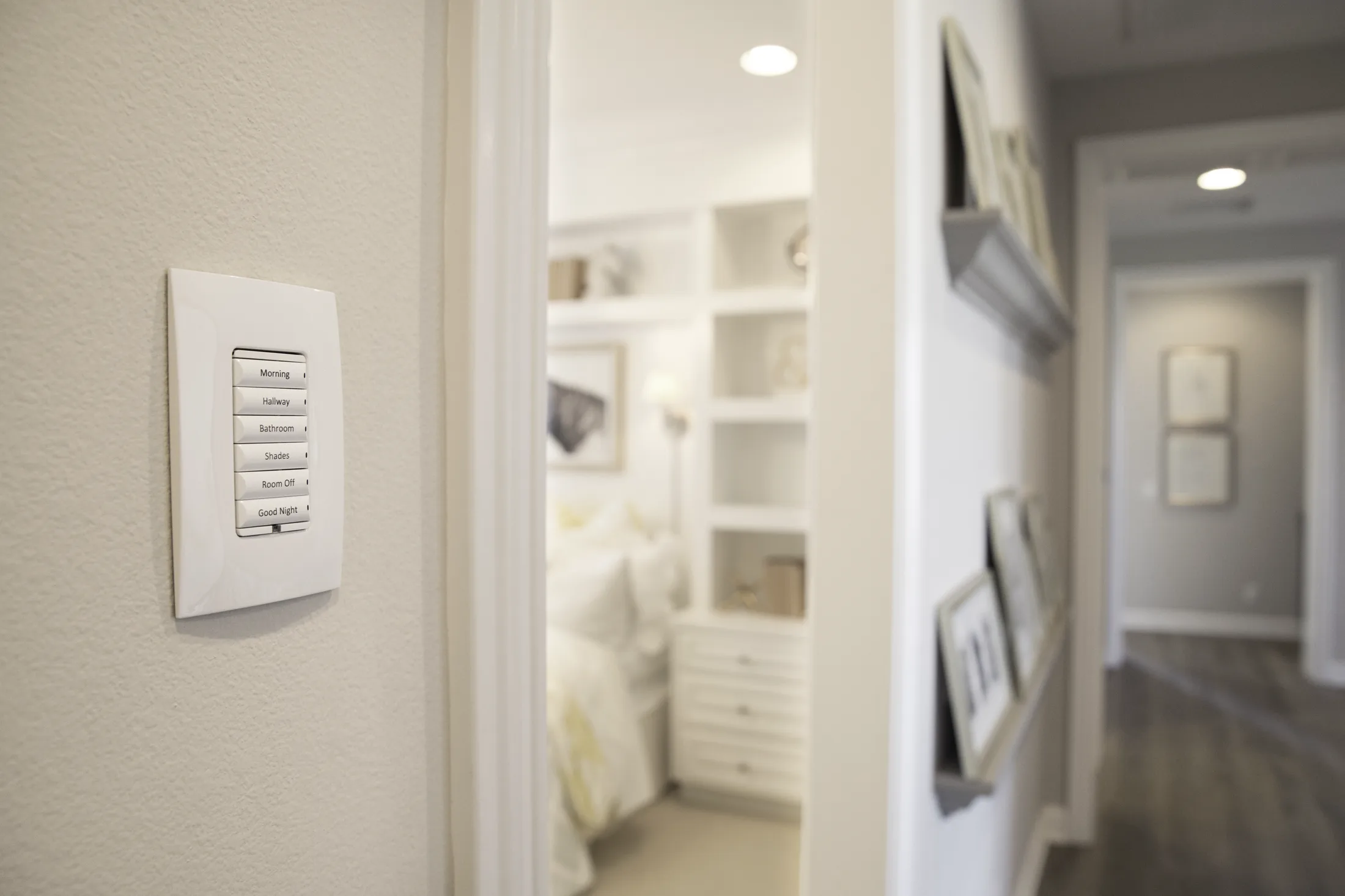
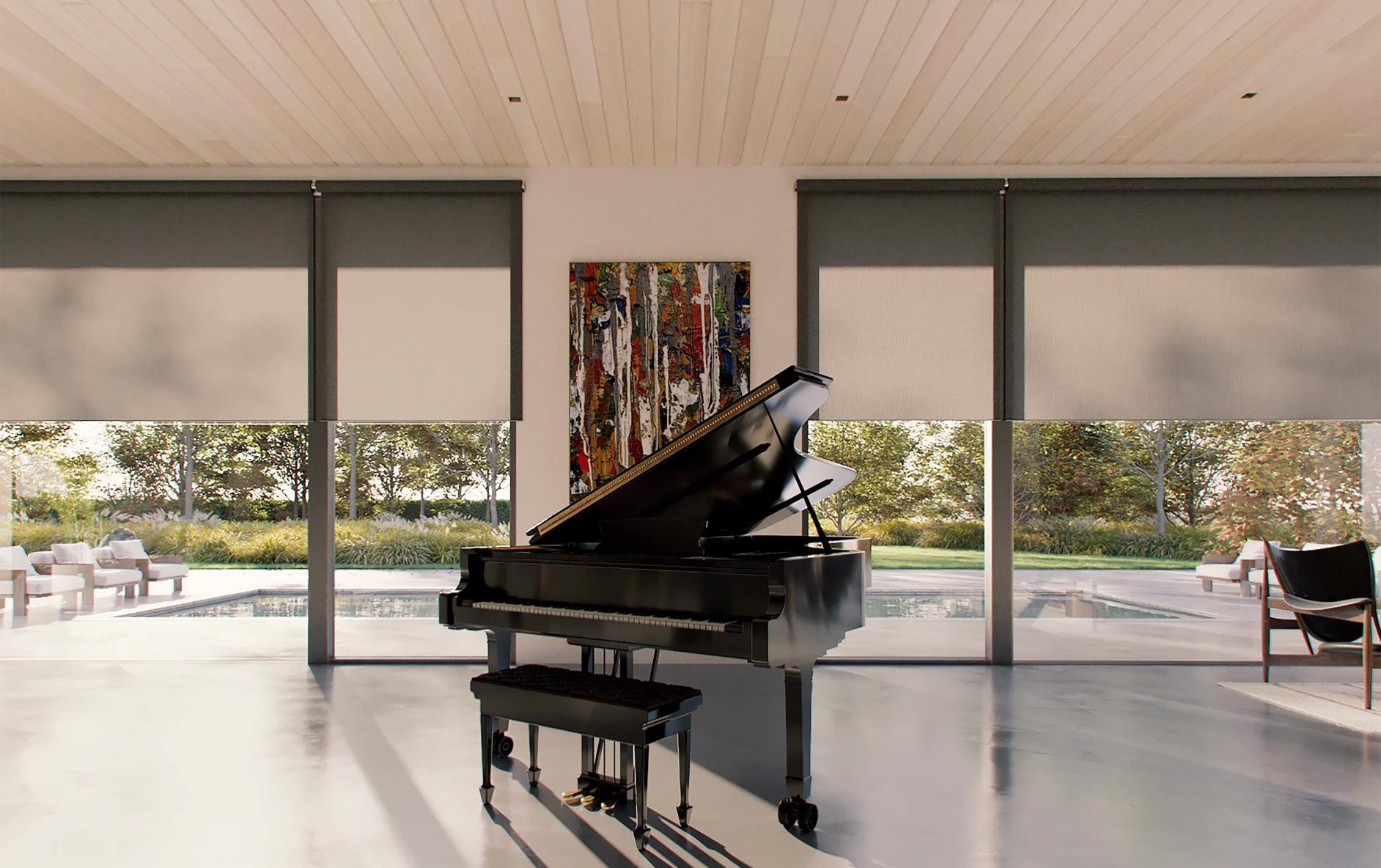
Understand flexible Pico controls, shade operation, placement, and everyday room use.
Compare tape light, channels, diffusion, color quality, drivers, and control requirements.
See where Essential, Contemporary, Lux, and centralized lighting make sense.
Often. We look at current switches, dimmers, bulbs, room layout, and control goals before recommending new hardware.
Some shades are wired and some use battery power. The right path depends on window size, access, finish stage, and how often they will move.
Send room photos, window photos, switch locations, glare or privacy problem areas, and any current dimmers or shade controls.
Photos help us understand light, glare, window size, switch locations, and the cleanest way to control the room.