Home / Guides / Vibrant Linear Lighting Comparison
Client linear-lighting planning guide

The best linear lighting is felt before the strip itself is ever seen.

Compare the white-light and color options in Control4 Vibrant, then plan the channel, lens, driver, wire and control method that make the finished line of light look intentional.

Published July 13, 2026By Denali Tech Team14 min read
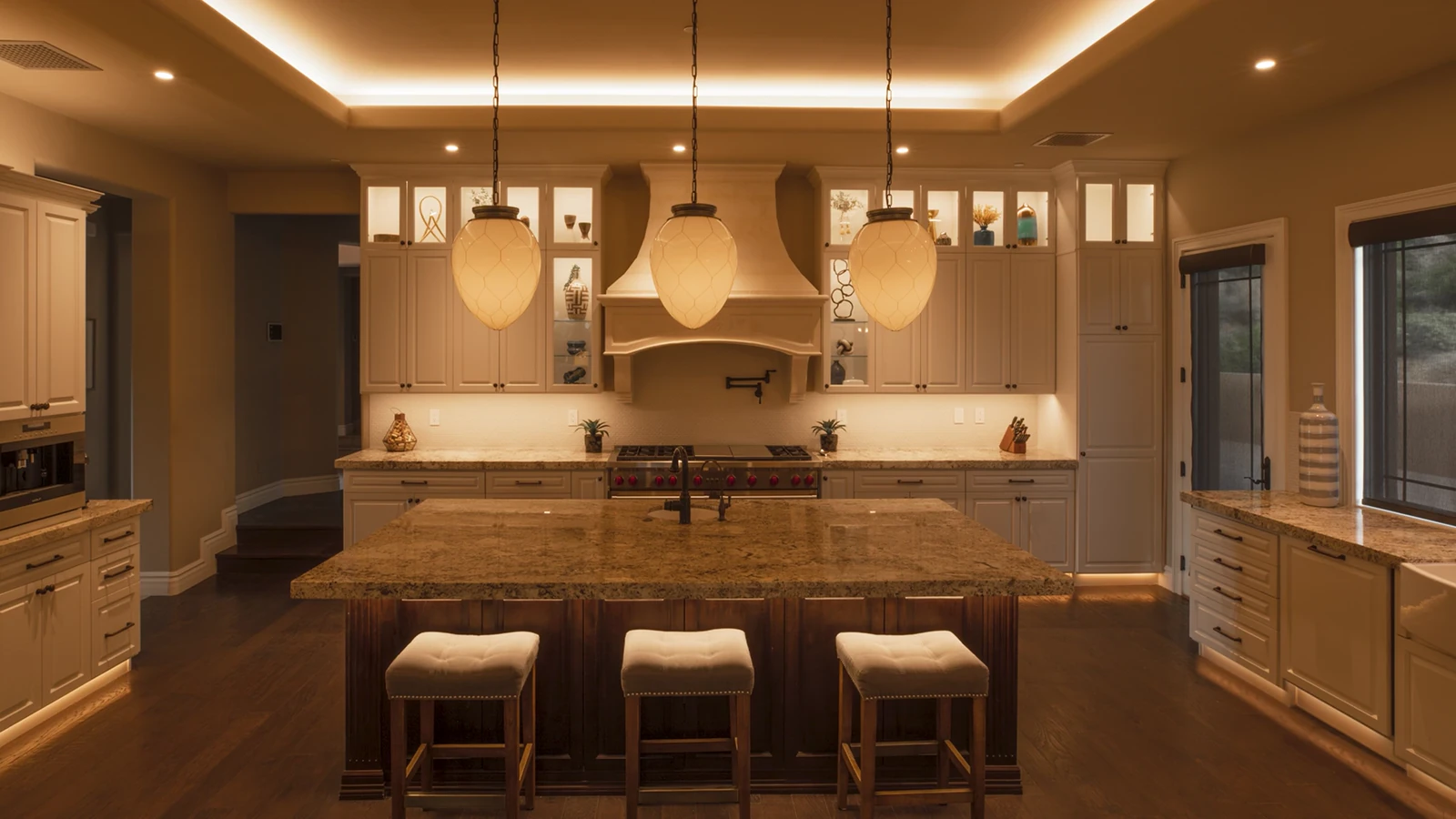
Layered Vibrant linear lighting in a luxury kitchen
Cove, cabinet and toe-kick lighting each solve a different layer of the room.
Fast answer: choose fixed white for straightforward task or accent light, warm dimming when the light should become warmer as it dims, fully tunable white when the room needs cooler daytime and warmer evening light, RGBW for color plus one dedicated white point, and RGBTW for color plus a broad tunable-white range. Use only the dedicated outdoor-rated options outside. The tape, driver, channel and control method must be designed as one system.

Six light engines, six different promises

The important decision is not “Do you want tape light?” It is what the light must do after the millwork and drywall are finished.

SIMPLE WHITE

Fixed color

A single, consistent white point available in common architectural color temperatures such as 2700K, 3000K and 4000K.

  • Simple operation and predictable color
  • Excellent for cabinets, shelves and task surfaces
  • Best when the desired white point will not change
Best fit: undercabinet, closet, bar and display lighting.
SMOOTH DIRECT VIEW

Fixed color diffusing

A dot-free, continuous-looking source intended for places where the luminous line is more visible.

  • Reduces the dotted appearance of individual LEDs
  • Useful in shallow details and reflective surfaces
  • Still keeps the simplicity of one white point
Best fit: open shelving, joinery reveals and direct-view details.
INCANDESCENT FEEL

Warm dimming

The white light shifts warmer as its output falls, creating a softer evening mood instead of staying at one color temperature.

  • Natural fit for hospitality and entertaining spaces
  • Warmer low-level scenes feel calmer at night
  • Easy client experience when designed correctly
Best fit: coves, dining rooms, bars and evening accent scenes.
TIME-OF-DAY WHITE

Fully tunable white

Current Vibrant performance tape spans approximately 1800K to 6000K, allowing both brightness and white color to change.

  • Warm evening and cooler daytime scenes
  • Dedicated high-quality white-light control
  • Useful where one room changes purpose
Best fit: kitchens, offices, wellness spaces and all-day living areas.
COLOR + WHITE

RGBW

Red, green and blue channels create color while a dedicated white channel handles normal architectural lighting more naturally.

  • Color scenes without giving up a true white channel
  • Good balance of effect and everyday usability
  • Available in dedicated outdoor configurations
Best fit: media rooms, entertainment areas, bars and patios.
MOST FLEXIBLE

RGBTW

RGB color plus tunable-white channels combines saturated effects with a broad 1800K–6000K white-light range.

  • Five-channel control
  • Color scenes and high-quality tunable white
  • One tape can support multiple room personalities
Best fit: premium multipurpose rooms where both architectural white and creative color matter.

Vibrant performance tape at a glance

Light typeWhat changesCurrent planning figuresBest useControl direction
Fixed colorBrightness only; choose 2700K, 3000K or 4000K before installationExact output, cut and run limits vary by selected tapeTask and accent light with a consistent white pointPhase dimming or compatible dedicated driver, depending on system
Fixed color diffusingBrightness only; continuous-looking luminous surfaceCOB-style diffusing tape; verify exact model before channel selectionVisible light lines, shallow details and reflective surfacesCompatible fixed-white driver and dimming method
Warm dimmingBrightness falls while white appearance becomes warmerPerformance accent tape lists up to 262 lm/ft, 3.94-in cuts and a 20-ft maximum runEvening coves, hospitality and mood lightingMatched warm-dim driver/control system
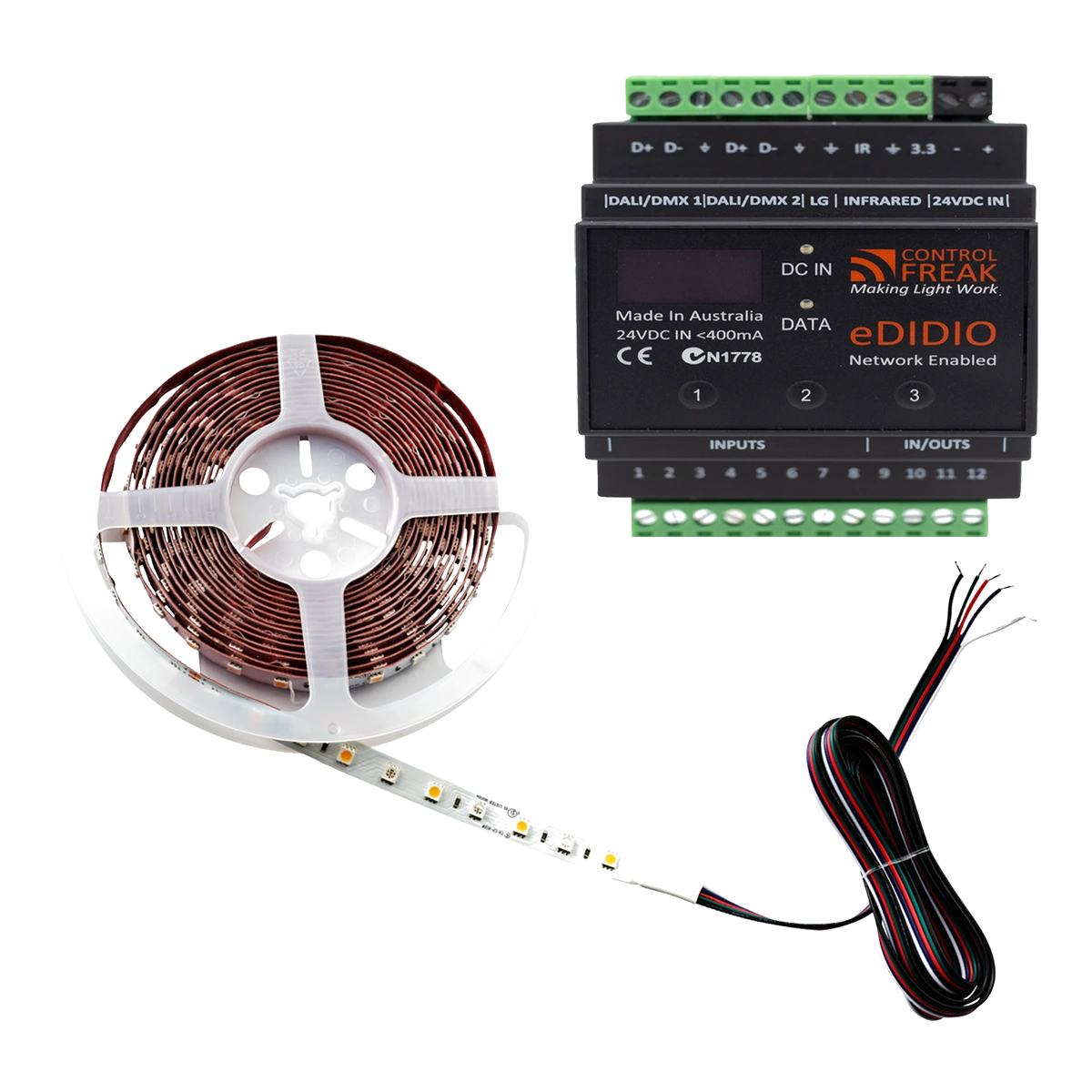
Fully tunable whiteBrightness and white point from 1800K to 6000K24V, 3 channels, 5.9W/ft, 411 lm/ft, 2.46-in cuts, 16.4-ft max run, 90+ CRITime-of-day scenes and multipurpose roomsZigbee, DMX or another compatible multi-channel design
RGBWRGB color plus a dedicated fixed-white channel4-channel architecture; exact white point and run vary by indoor/outdoor tapeEntertainment color with useful everyday whiteZigbee or DMX starter-kit paths are available
RGBTWRGB color plus 1800K–6000K tunable white24V, 5 channels, 7W/ft, 410 lm/ft, 3.94-in cuts, 13.1-ft max run; CRI 95.1 on white channelsMaximum scene flexibility in premium roomsZigbee or DMX starter-kit paths are available
Outdoor fixed / RGBWFixed white or color in a dedicated outdoor constructionFixed 3000K: 1.96-in cuts, 55.7-ft max; RGBW: 2.46-in cuts, 18-ft maxPatios, exterior kitchens, steps and landscape detailsUse the exact outdoor-rated tape, connections and enclosure strategy

Specifications were checked against current official Control4 and Snap One product pages on July 13, 2026. Output, wattage, cut length, maximum run, environment rating and compatible control components vary by exact SKU; verify the current datasheet and installation guide before ordering or rough-in.

The channel and lens are part of the fixture

Aluminum extrusion is not decorative packaging. It helps dissipate heat, protects the tape, establishes the finished line and supports the diffuser that softens LED points.

Surface channel

Practical for cabinets and shelves when a clean applied profile can remain concealed from view.

Recessed channel

Sets into millwork for a flatter, integrated finish. The groove dimensions must be in the cabinet drawings.

Corner channel

Aims light diagonally from a cabinet or inside corner and can improve task-surface coverage.

Mud-in channel

Creates an architectural line in drywall. It must be coordinated before finishing and remain serviceable where required.

Lens depth

More mixing distance can reduce visible dots. Tape density, channel depth and lens diffusion all affect the result.

12 mm fit

Control4 notes that the RGBTW performance tape can fit into a 12 mm extrusion, supporting very slim architectural details.

Plan power before choosing a reel length

Maximum run is not the same as “whatever fits around the room.” Start with watts per foot, then check the published run, cut interval, feed location, conductor loss and driver loading.

Fully tunable white example

5.9W/ft × 16.4ft ≈ 96.8W. That is already close to the 100W driver in the current starter kit, so the published system design should not be extended casually.

RGBTW example

7W/ft × 13.1ft ≈ 91.7W. The five-channel tape reaches its published maximum run while remaining inside the matched 100W class system.

Voltage drop

Long low-voltage wire paths can change brightness and color. Conductor gauge, driver distance and feed strategy must be calculated—not guessed.

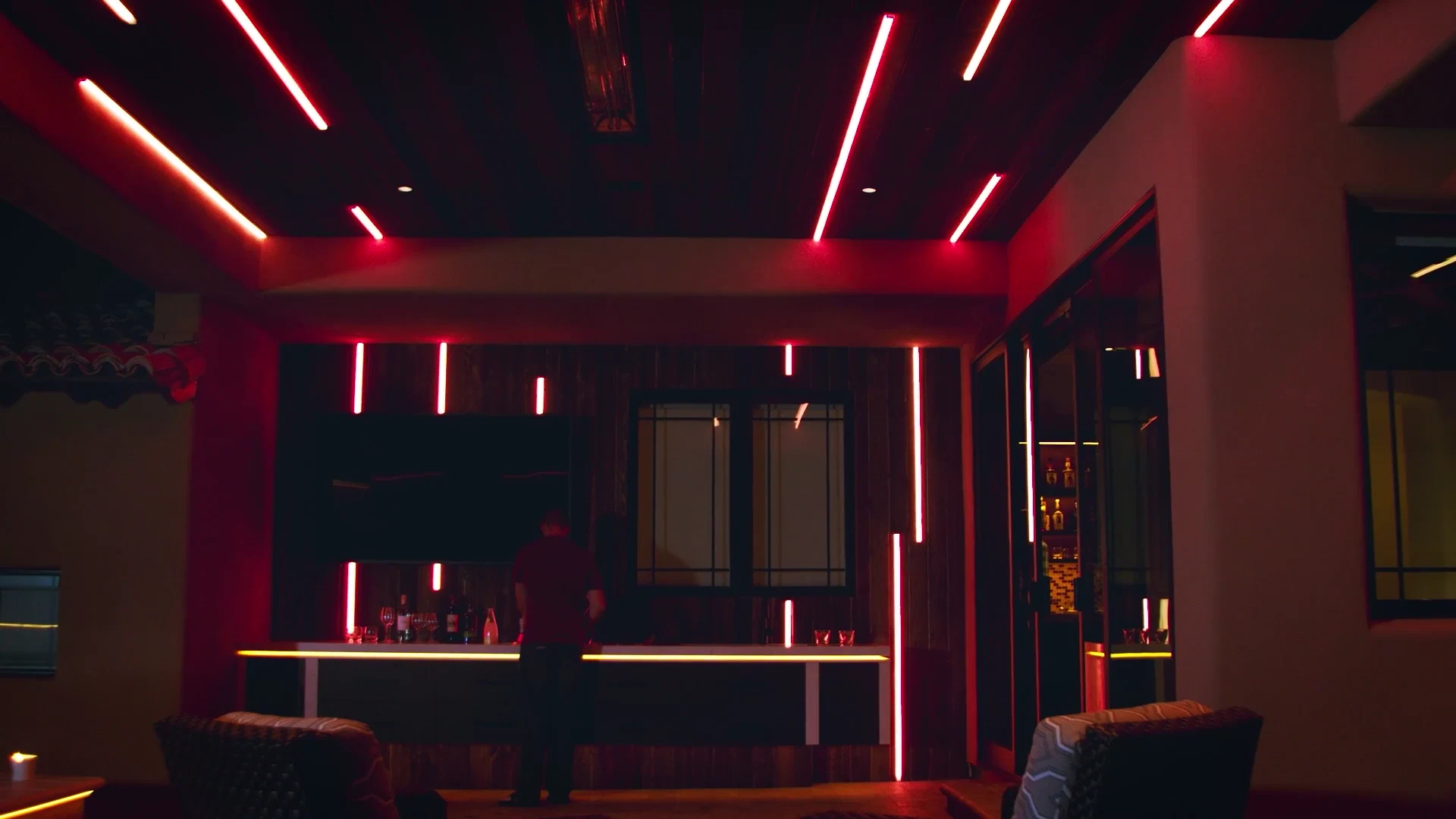
Red architectural RGB linear lighting in a modern lounge
RGBW or RGBTWColor works best when it supports an occasion or architectural moment, while a dedicated white channel handles everyday light.
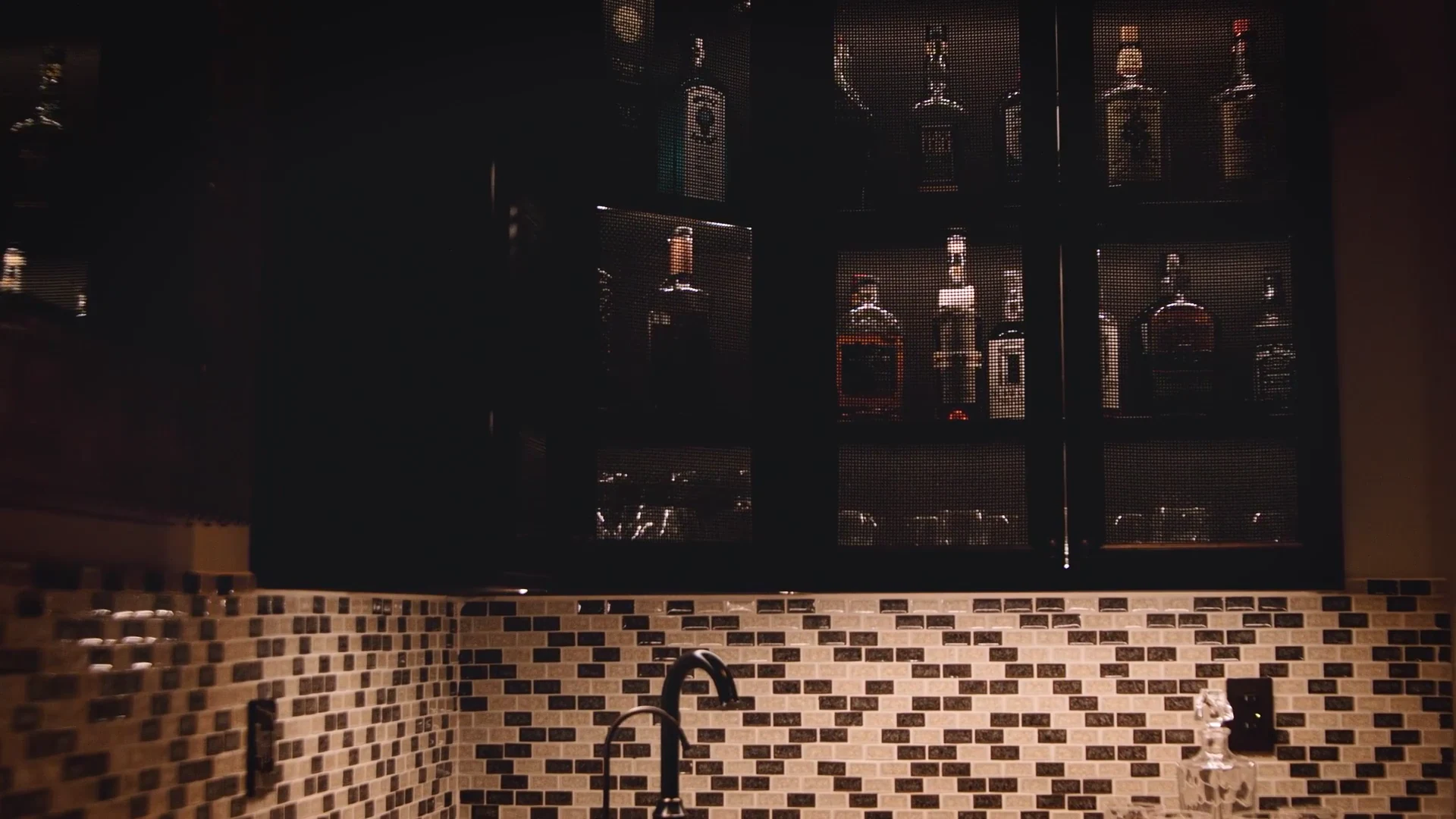
Warm linear lighting illuminating a bar backsplash and display cabinet
Fixed white or warm dimmingFocused cabinet light can make materials and objects visible without turning the whole room bright.
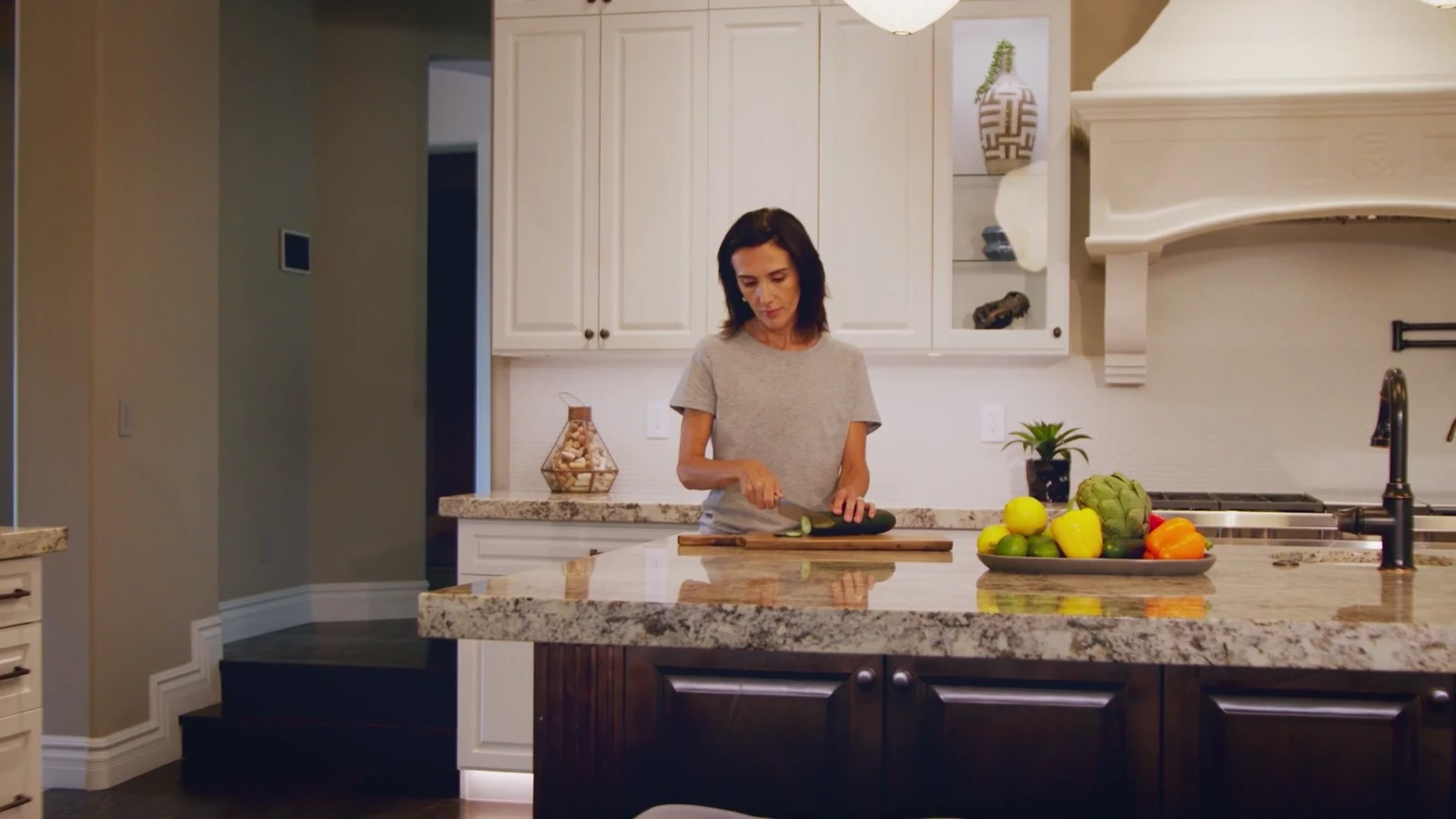
Warm layered linear lighting in kitchen coves, cabinets and toe kicks
Layered kitchenAmbient cove, task light and low-level toe-kick accents should be programmed as separate, useful layers.
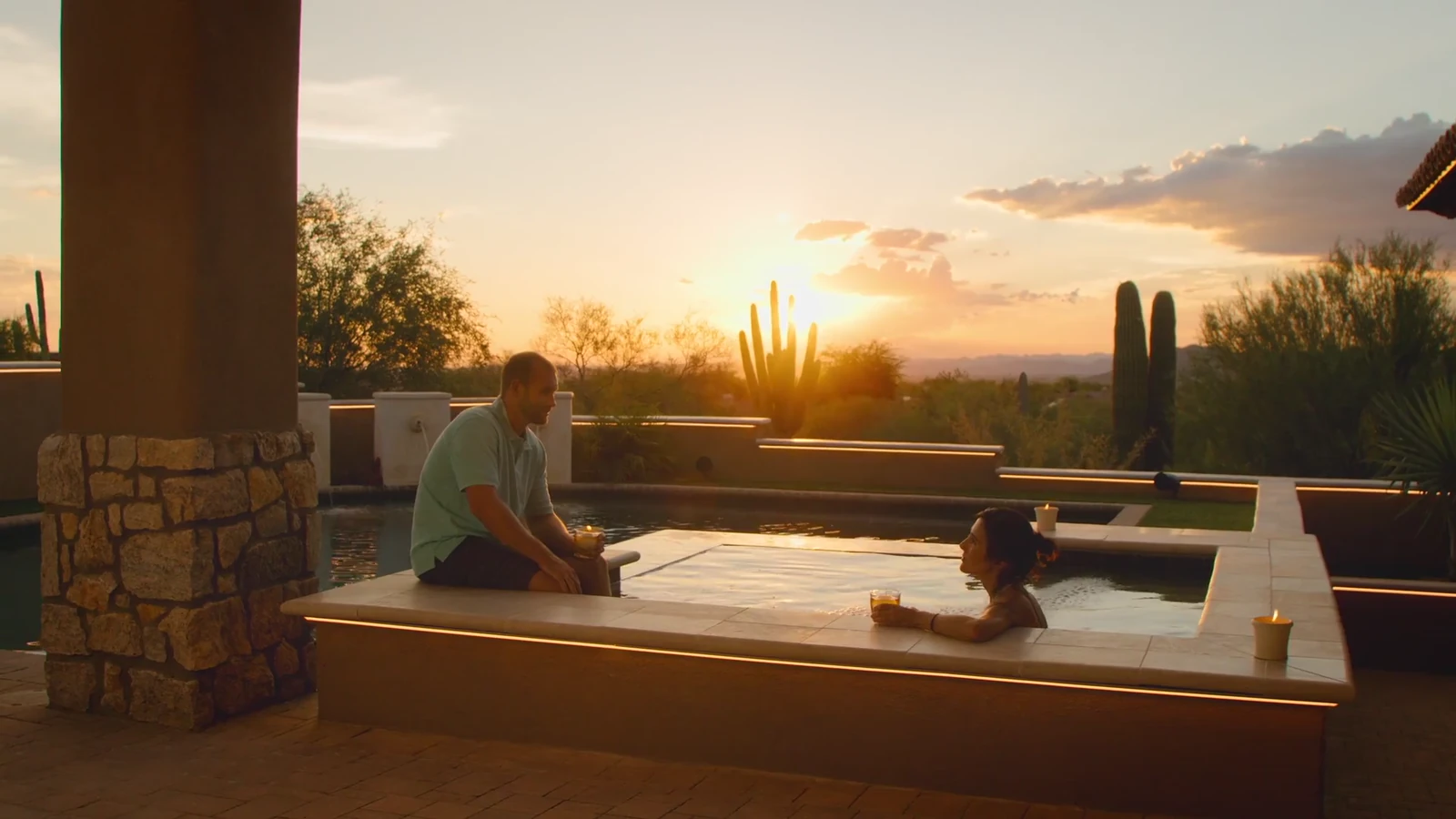
Outdoor pool and patio with warm linear lighting at sunset
Outdoor-rated systemsUse only the correct outdoor tape, connections, enclosures and drainage details for exposed locations.

Prewire checklist before drywall and cabinetry close

1. Name every light layer

Label cove, task, toe-kick, shelf, stair and exterior runs separately so control and scene intent remain clear.

2. Choose the tape family

Fixed, warm dim, tunable, RGBW and RGBTW require different conductors, drivers and programming.

3. Reserve driver access

Keep power supplies and control equipment accessible, ventilated and located within their published limits.

4. Coordinate the extrusion

Put channel dimensions, corner conditions, lenses and service access into millwork and drywall drawings.

5. Calculate each run

Check wattage, cut interval, maximum length, conductor gauge, feed location and voltage drop for every segment.

6. Protect outdoor details

Confirm environment ratings, terminations, enclosures, drainage and local electrical requirements before installation.

Installation reality check: tape light should not be covered, pinched, sharply bent or run beyond its published limits. Fixed-color diffusing tape still has cut points and bend limits. Drivers must remain serviceable, and line-voltage and low-voltage work must follow the manufacturer’s instructions and applicable codes.

A simple client explanation

“Fixed white is the clean, simple choice. Warm dimming makes evenings feel softer. Tunable white changes from warm to cool through the day. RGBW adds color with one good white; RGBTW gives us color plus the most flexible white light. After we choose the experience, we design the channel, driver, wire and control system around it.”

Want every line of light coordinated before the cabinets are built?

Send Denali Tech the floor plan, reflected ceiling plan, cabinet drawings, finish samples and the scenes you want. We can map the tape type, channel, driver location, wire, control and programming before fabrication.

Official Control4 and Snap One references

Related lighting and prewire guides