
Detects unacceptable utility power, commands the generator and transfers the approved electrical source. It owns interlocking and transfer safety.
Four layers solve four different problems
Calling everything “backup power” hides the handoffs that determine whether a smart home survives an outage cleanly.
Supplies longer-duration power within its rated capacity, fuel supply, environmental limits and maintenance condition.
Bridges the seconds before generator power arrives and can condition power for sensitive network, control and server equipment.
Reports supported status, preserves critical services, sheds selected convenience loads and recovers devices in a controlled order.
What happens when utility power fails?
The transfer equipment evaluates the source using its listed logic and timing.
Network and control gear stay alive instead of rebooting during the gap.
The native generator controller starts and verifies its own operating conditions.
The automatic transfer switch changes source with required interlocking.
Native load management and approved automation keep demand within capacity.
Transfer, cooldown and device restart occur in a documented, tested sequence.
Key point: generator power may arrive quickly, but it is not instantaneous. Without UPS coverage, the modem, router, Control4 controller and switches can all reboot before the generator takes the load.
Generator, UPS and WattBox are complementary
| Layer | Primary job | Typical duration | What it does not replace | Design question |
|---|---|---|---|---|
| Standby generator | Longer-duration backup energy | Fuel, load and service dependent | UPS bridging, surge strategy or transfer equipment | Which loads must run together at peak demand? |
| Automatic transfer switch | Safe source detection and transfer | Entire outage sequence | Energy source or battery ride-through | Service rated, selected-load or multi-panel architecture? |
| UPS | Immediate battery support and power quality | Runtime curve and connected watts determine it | Long-duration generator or whole-house transfer | How many minutes are required at the measured load? |
| WattBox / managed PDU | Power distribution, monitoring and controlled reboot | Only while its source is available | UPS energy, generator or electrical protection design | Which outlet groups can safely restart independently? |
| Control4 | User experience, scenes, status and approved coordination | Only while controller and network remain powered | Generator, ATS, load controller or safety system | What verified feedback and commands are actually supported? |
Decide what stays on, what waits and what turns off
Internet terminal, router, core switch, Control4 controller, generator monitoring path, alarm communications and carefully chosen PoE devices.
Selected HVAC, refrigeration, pumps, sump equipment, lighting and well systems according to the electrical engineer and generator design.
EV charging, snow melt, electric heat, spa heaters, multiple HVAC compressors and high-draw AV zones unless capacity was explicitly designed for them.
Do not guess from breaker size alone. Measure or calculate real running load, startup/inrush behavior, simultaneous demand and generator derating. Native generator load management must remain authoritative.
NATIVE GENERATOR MONITORING
Monitoring must survive the same outage
Current Generac Mobile Link materials describe generator status, run-time, exercise scheduling, maintenance alerts and optional fuel monitoring. Wi-Fi monitoring still depends on the home's powered network and available internet service.
- Back up the modem or fiber optical network terminal
- Back up the router and required network switch
- Confirm outdoor generator Wi-Fi coverage before commissioning
- Consider the supported cellular accessory where appropriate
- Keep the generator's native app and dealer service workflow
- Test alerts during a real transfer—not only on normal utility
Integration reality
A product having Wi-Fi or an app does not automatically mean Control4 can read or command it. Verify the exact generator model, controller generation, driver or gateway, authentication, available status, command limits and ongoing service ownership before promising integration.
Protect the rack through the transfer
Choose the UPS from measured watts and the manufacturer's runtime graph. VA rating alone is not a runtime promise.
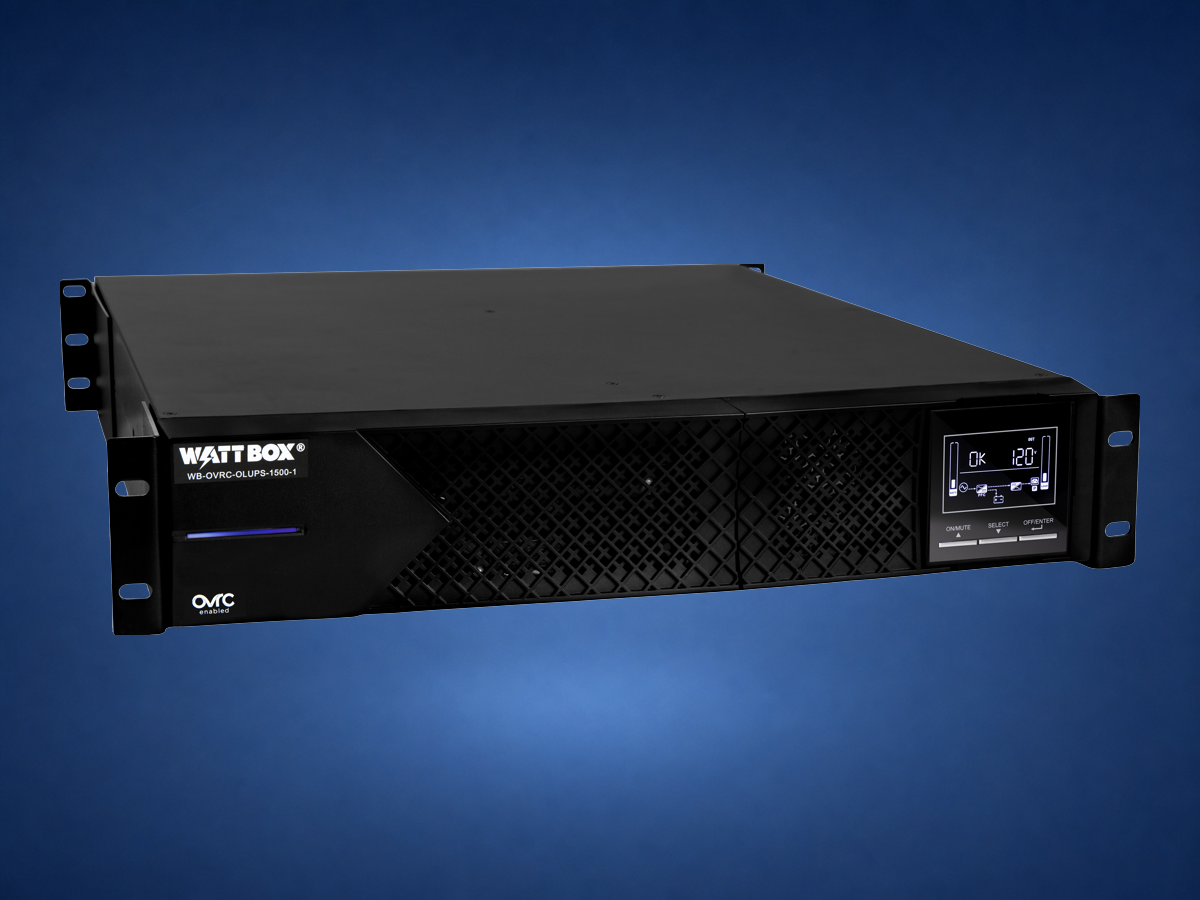
Online UPS for the critical core
An online/double-conversion design can isolate sensitive connected equipment from a broader range of input power problems. Confirm voltage, watt capacity, receptacles, bypass behavior, battery packs, heat and rack depth.
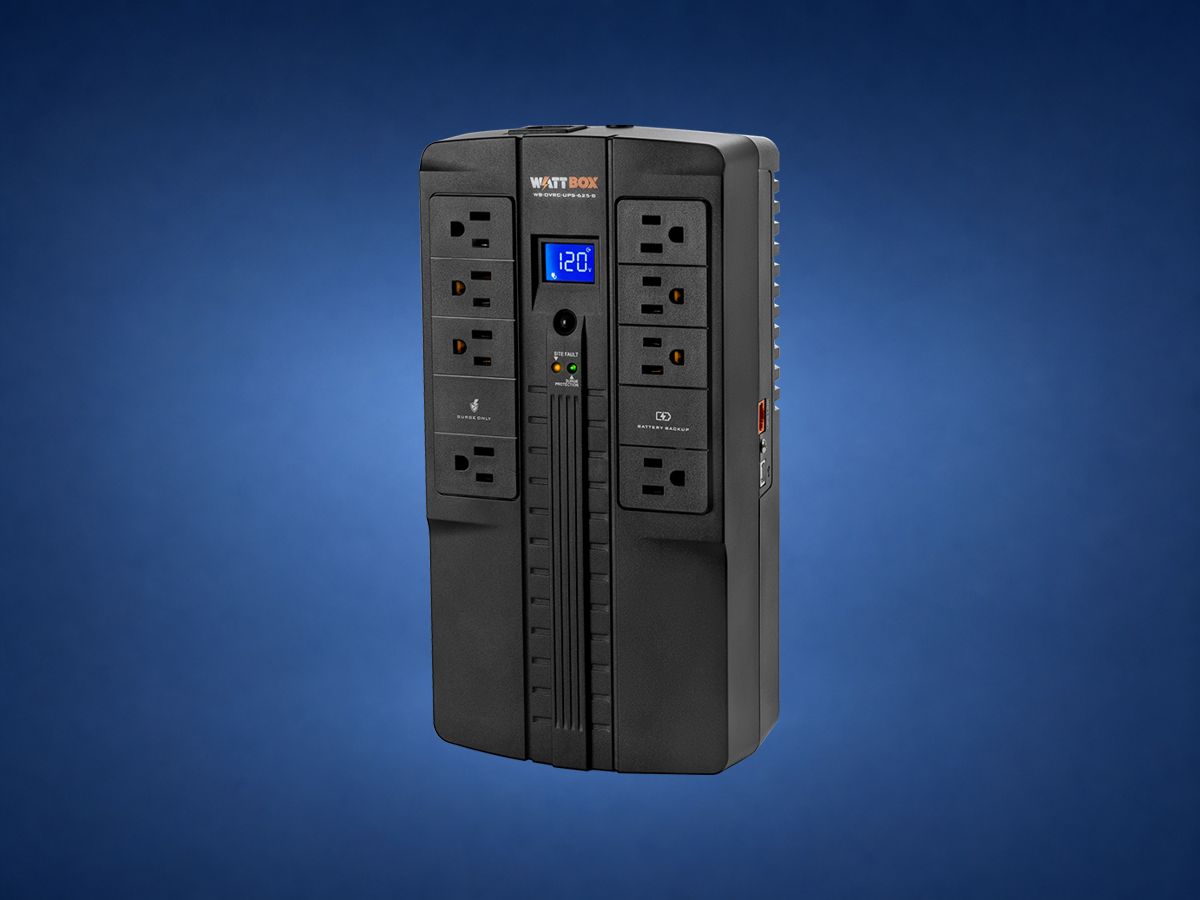
Compact UPS for a smaller network
A smaller battery backup can bridge a modem, router, controller and modest switch when the measured load and runtime curve support it. Do not add amplifiers, displays or other heavy loads casually.
Runtime rule: inventory each device, measure steady load, allow for growth, select the UPS topology, then verify the published runtime curve at that wattage. Eaton notes that lowering connected load can extend runtime substantially and that combining UPS bridging with a generator is common practice.
A clean recovery sequence prevents a second outage
Keep the system quiet and predictable
- Maintain network, controller and essential communications
- Delay noncritical AV, displays and high-current amplifiers
- Prevent EV charging and snow melt unless explicitly supported
- Use native generator modules for required load shedding
- Notify the homeowner without repeating nuisance messages
- Preserve manual control and local electrical operation
Bring convenience loads back in stages
- Allow the transfer system to complete return and cooldown
- Wait for voltage and network services to stabilize
- Confirm controller and core switch remain reachable
- Restart managed outlets in documented dependency order
- Re-enable heavy loads with delays instead of simultaneously
- Record or alert unresolved generator, UPS or device faults
NON-NEGOTIABLE BOUNDARIESElectrical ownership Native generator protection Native load management Life safety Carbon monoxide + placement Manual operation
Automation is not the transfer switch
A licensed electrician and generator dealer design service, grounding/bonding, transfer equipment, feeders, overcurrent protection and code compliance.
Start, stop, exercise, fault handling, cooldown, engine protection and fuel safety remain in the listed generator controls.
Required overload prevention and managed high-current loads stay in approved generator/transfer equipment, not a general smart-home scene.
Alarm, fire, medical, egress and legally required standby systems follow their own standards and monitoring paths. Do not make them app dependent.
Generator location, clearances, exhaust, openings, snow accumulation and maintenance access follow manufacturer instructions and local requirements.
The home needs documented manual shutdown, emergency contacts and recovery steps if the internet, automation, UPS or monitoring service is unavailable.
Design and commissioning checklist
Separate life safety, communications, essential mechanical, comfort and convenience loads. Include startup behavior and seasonal worst cases.
Whole service, selected loads, multiple panels or managed circuits; generator and transfer equipment must be engineered together.
Identify dedicated utility/generator circuits, UPS input, bypass or service strategy, grounding, heat, ventilation and battery replacement access.
Document internet terminal, router, switches, controller, PoE, servers, storage, managed outlets and the order required for clean restart.
Confirm exact status contacts, drivers, gateways, network requirements, subscriptions and which commands are safe and supported.
Use restrained lighting, notifications and load behavior. Preserve local/manual operation and avoid scenes that can exceed backup capacity.
With all trades present, simulate utility loss and restoration; measure UPS behavior, network continuity, load sequencing and alerts.
Schedule generator service, exercise review, fuel checks, UPS battery replacement, firmware review and an annual outage-mode test.
Label panels and rack power, record contacts and models, explain expected sounds/delays, and give the homeowner a one-page recovery procedure.
A simple way to compare the options
“The generator carries the house for a longer outage, but the UPS keeps the network and Control4 alive during the handoff. The transfer switch and generator protect the electrical system; Control4 helps you understand what is happening, keeps noncritical loads under control and brings the home back in an orderly way.”
Planning generator backup for a connected home?
Tell us what you want to keep working during an outage. Send equipment model numbers or photos if you have them; your electrician can provide the panel and wiring details. We can coordinate the network, UPS, WattBox and Control4 experience with the licensed electrical and generator teams.
Official references
Generac: Standby Generator and Automatic Transfer OverviewGenerac Mobile Link: Generator Status, Alerts and ConnectivityGenerac: Wi-Fi, Cellular and Fuel-Monitoring AccessoriesGenerac: Find the Manual for Your Generator or Transfer SwitchEaton: Network-Closet UPS Capacity and Runtime GuideEaton: UPS Topologies, Remote Management and Load SheddingAPC: UPS Selection, AVR and Pure Sine-Wave Guidance