1
Point sensorsDetect water exactly where it reaches the floor or probe: appliance pans, cabinets and mechanical spaces.
Layer point sensors, whole-home flow monitoring, an approved shutoff valve, sump and freeze alerts, backup power and Control4 notifications around the domestic plumbing.
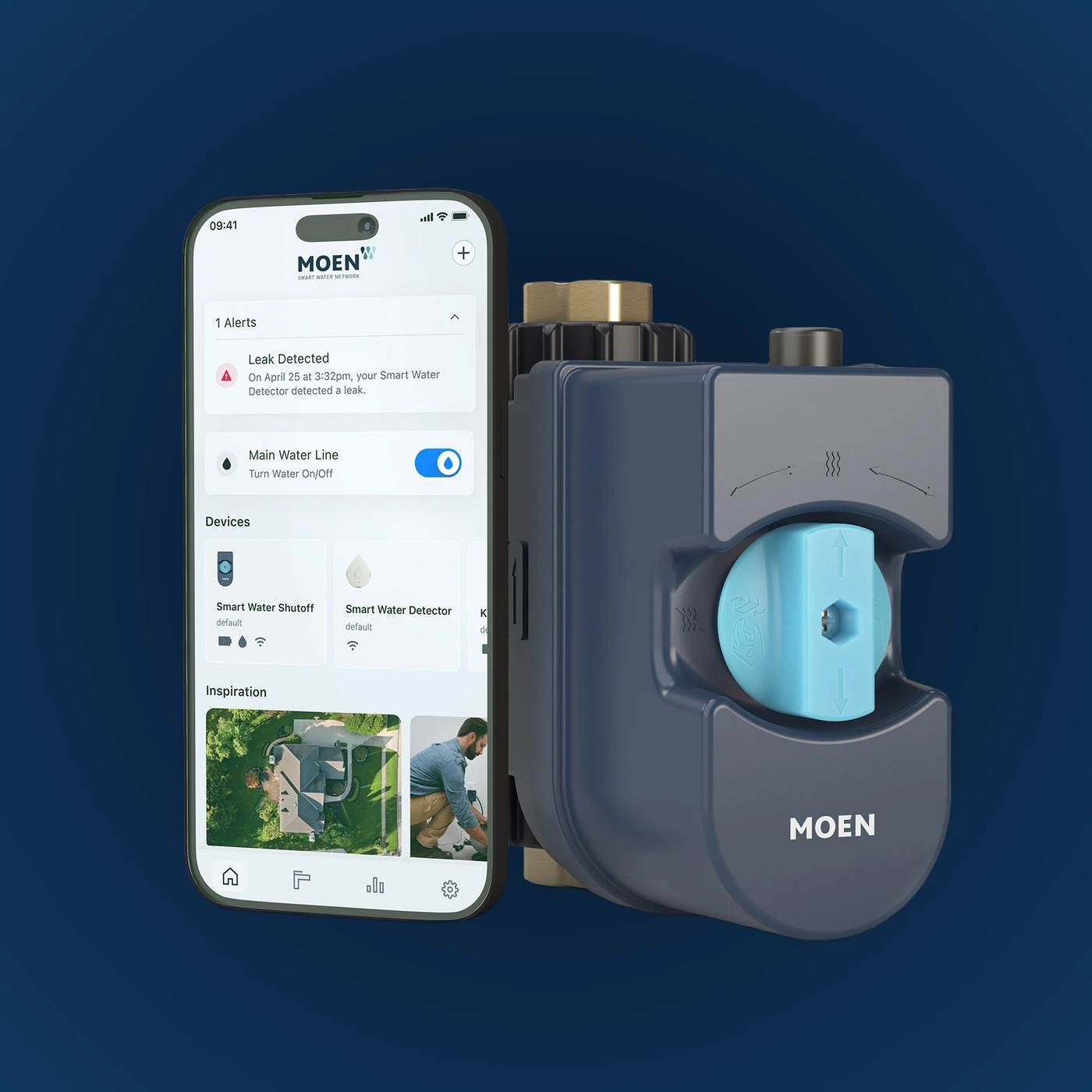
Each layer catches a different failure. Combining them reduces blind spots without pretending that automation replaces plumbing maintenance.
Detect water exactly where it reaches the floor or probe: appliance pans, cabinets and mechanical spaces.
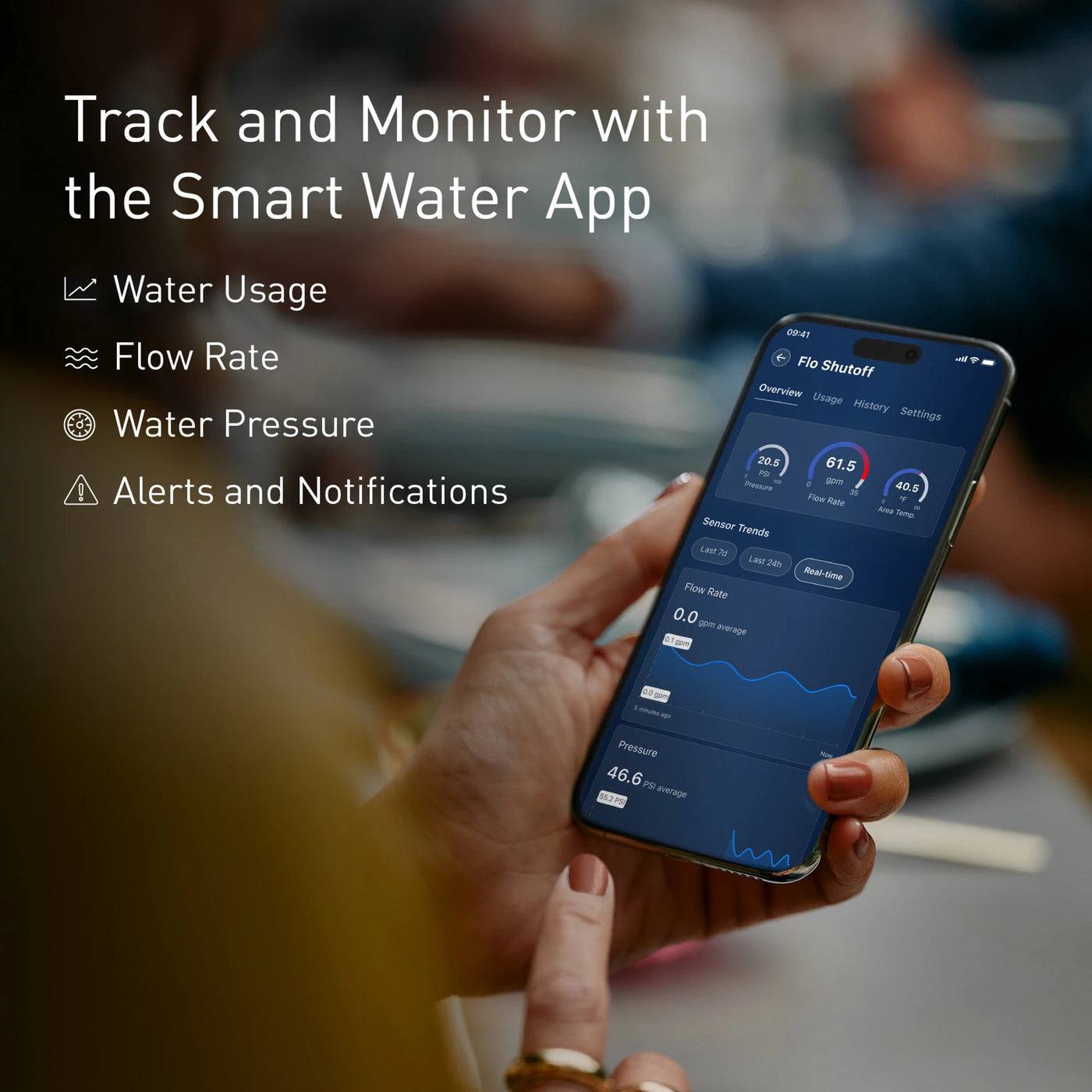
Watch the domestic main for unusual continuous use, pressure change or system behavior.
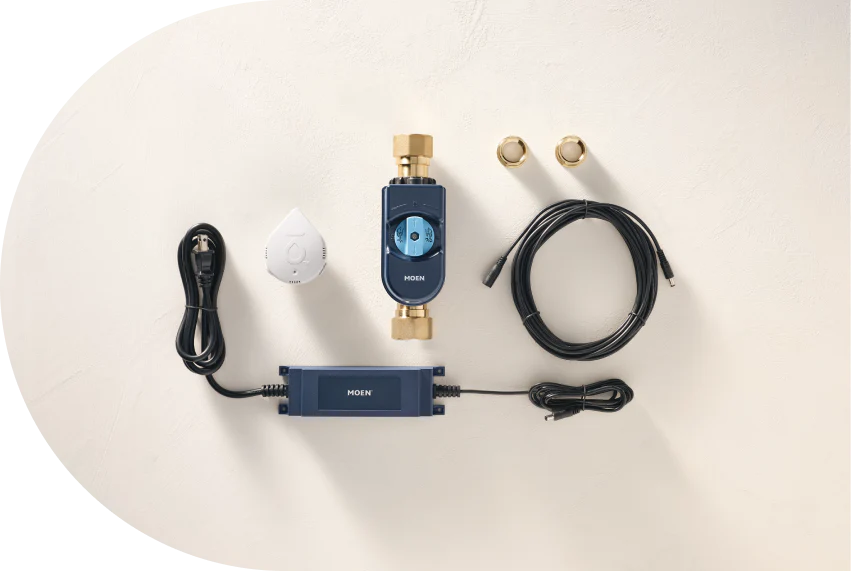
Closes the approved domestic-water path locally or through supported automation.
Monitor high water, pump trouble, low temperature and other conditions outside normal pipe-flow logic.
Tell the right person what happened, what shut down and who must inspect the property.
| Protection | Detects best | Can miss | Power / network | Maintenance | Best use |
|---|---|---|---|---|---|
| Point leak sensor | Water physically reaching one location | Leaks that drain elsewhere or never reach the probe | Wired or battery; exact integration varies | Wet test, battery and placement review | Water heaters, laundry, sinks, appliances |
| Flow/pressure monitor | Unusual domestic-water behavior across the home | Roof, drain, sump, groundwater and non-monitored branches | Usually power, Wi-Fi/network and vendor service | Valve exercise, health test, pattern review | Main domestic-water protection |
| Automatic shutoff valve | Limits continued flow after an approved trigger | Water already released, stored water or excluded branches | Powered actuator; backup/manual operation varies | Exercise, inspect and confirm position feedback | Domestic main or approved protected branch |
| Sump/high-water sensor | Rising pit level or pump failure risk | Supply-pipe leaks elsewhere | Local alarm plus supported monitoring path | Float/probe test, pump and backup inspection | Basements, ejector and sump systems |
| Temperature/freeze sensor | Conditions likely to freeze piping | An active leak at normal temperature | Wired/battery and alert path | Calibration/location/battery review | Exterior walls, crawl spaces, vacant homes |
| Control4 automation | Coordinating supported status, alerts and actions | Anything not sensed or not integrated | Controller, network, account and applicable subscription | Scenario testing and recipient review | Unified homeowner/service response |
Control4 alert capabilities and the Flo by Moen example were checked against current official documentation on July 13, 2026. Exact device compatibility, shutoff commands, feedback and cloud dependencies must be verified before sale.
A leak sensor cannot help if it sits on the wrong side of a curb, pan or floor slope. Place the probe at the likely low point without creating a nuisance trip or making service impossible.
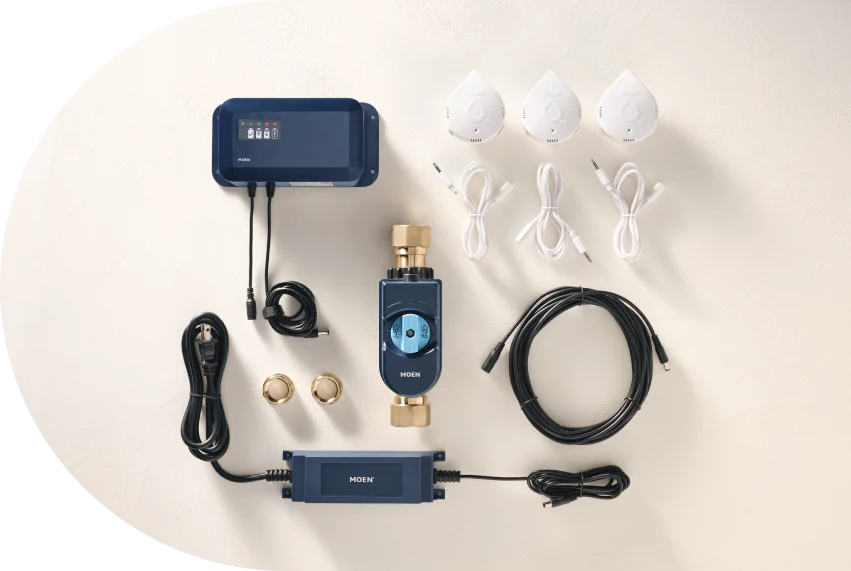
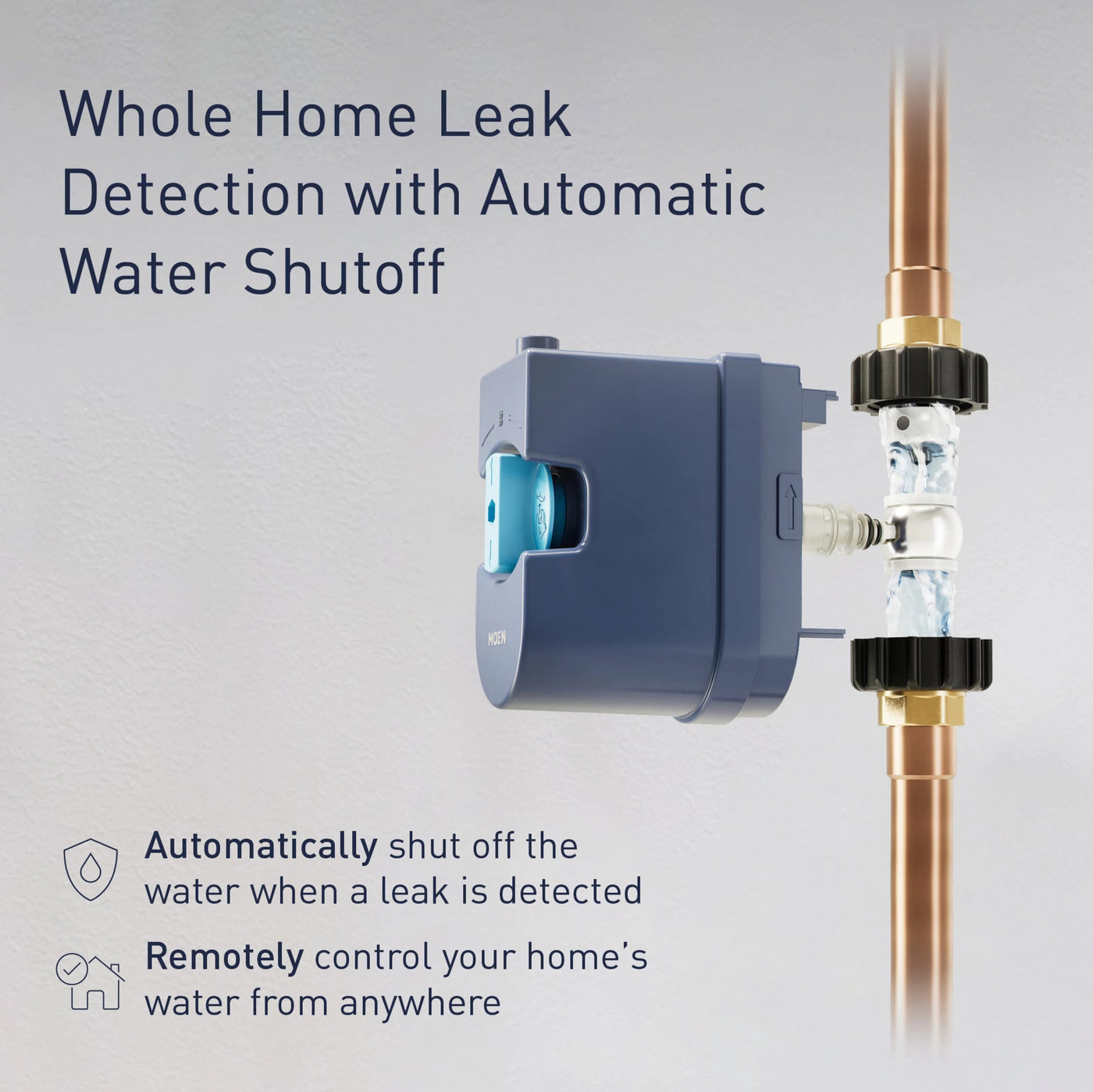
A main-line valve should normally be placed after the existing manual shutoff, meter and pressure-reducing valve where applicable, and before the domestic system branches. The exact arrangement belongs to the plumber and local code.
Rain intrusion, flashing failures and foundation seepage do not necessarily create domestic-water flow.
A main-water shutoff cannot stop a failed sump pump or rising groundwater. Add high-water, pump and backup-power monitoring.
Wastewater and drain failures require different sensors, plumbing protection and response.
Closing the main limits refill, but the tank may still contain substantial water. Use a pan, drain and local sensor where appropriate.
Automatic domestic shutoff may affect makeup water or related equipment. Coordinate every shutdown action with the responsible contractor.
Never install a consumer water-monitor/shutoff on a fire-sprinkler or suppression line. Keep that system independent and code compliant.
The point sensor, flow monitor, high-water switch or temperature device recognizes an abnormal condition.
Use an appropriate local alarm/chime so an occupant can react even if internet service is down.
When the design permits, command the compatible valve and confirm its actual closed state—not only that a command was sent.
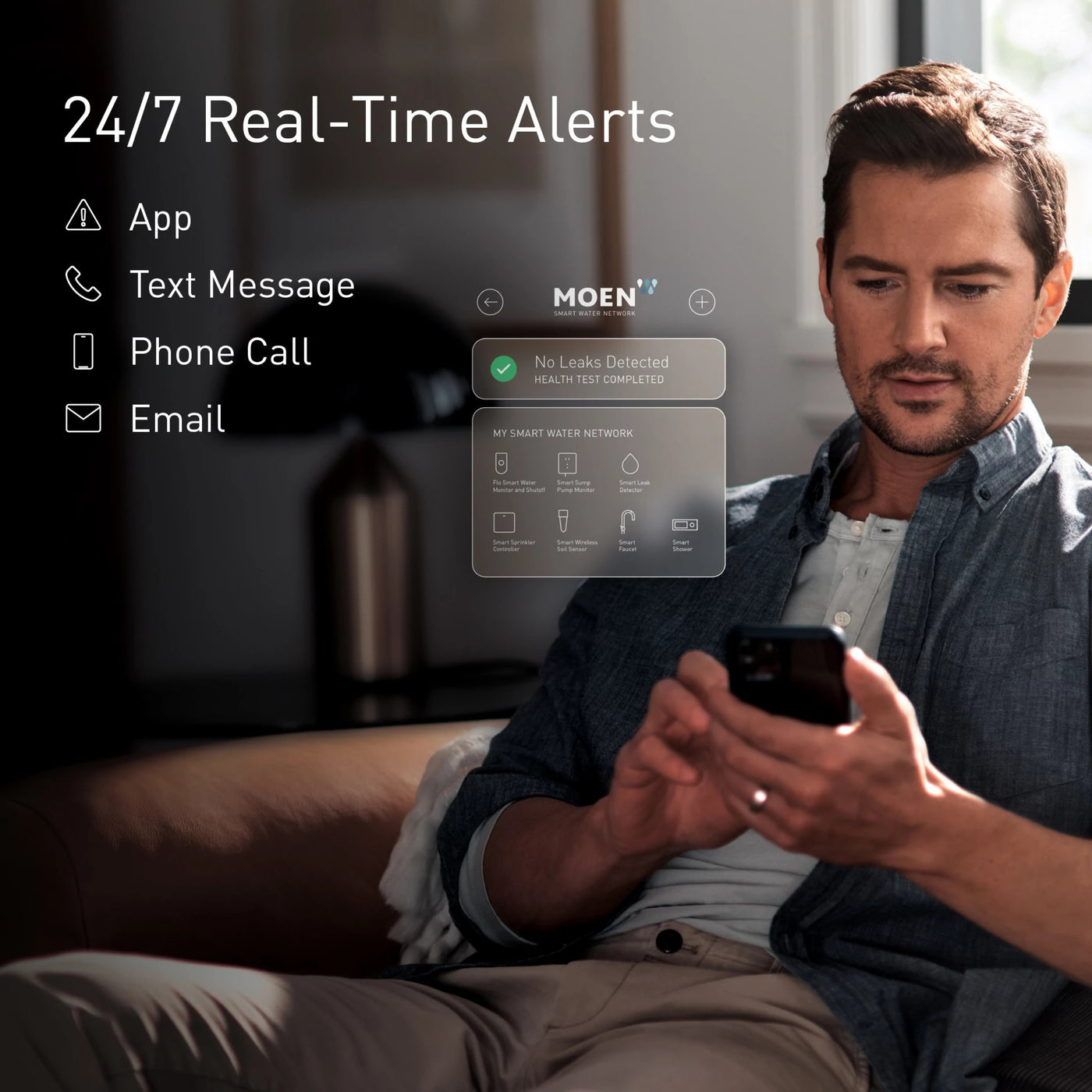
Name the sensor, location, time, valve state and responsible contacts through supported alert paths.
Only perform manufacturer-approved HVAC, pump, recirculation or water-heating actions planned with the trades.
A person identifies the cause and damage, repairs the problem and deliberately restores service. Do not auto-reopen.
The smart-home system must not create a second hazard while trying to limit water damage.
Do not place the device on fire-sprinkler or suppression piping. Follow the manufacturer's restrictions and the fire-protection design.
Boilers, hydronic loops, humidifiers, recirculation and water heaters may need approved interlocks or service procedures.
Consider medical equipment, caregivers, livestock, irrigation and other loads before enabling unattended automatic shutoff.
Plan the valve, network, Control4 controller and notification path for realistic outages. Local detection and local shutoff should not depend entirely on cloud reachability.
List domestic supply, fixtures, tanks, appliances, sump/ejector, roof/drain risks, hydronic equipment and vulnerable finished spaces.
Assign point sensors, main-line monitoring, branch shutoff, high-water and temperature monitoring based on what each can actually detect.
Confirm pipe size, pressure, flow, valve location, bypass/unions, fire-sprinkler separation, drains and equipment implications.
Verify the exact device, driver, commands, state feedback, account, subscription and offline behavior before promising Control4 functions.
Trigger every sensor, verify local/remote alerts, command the valve, confirm physical closure and record the actual timing.
Label manual operation, responsible contacts and inspection/reopen procedure. Schedule periodic testing and battery/service review.
“Point sensors catch water at the appliance. The main-line monitor watches the whole domestic system. The automatic valve limits continued flow. Sump and freeze sensors cover risks the main valve cannot see. Control4 coordinates the alerts and approved actions—but a plumber designs the water path, and a person inspects before the valve reopens.”
Send Denali Tech the plumbing plans, mechanical-room layout, fixture schedule, sump/ejector details, network plan and risk priorities. We can coordinate sensors, the plumber-installed shutoff, power, Control4 alerts, service access and testing.