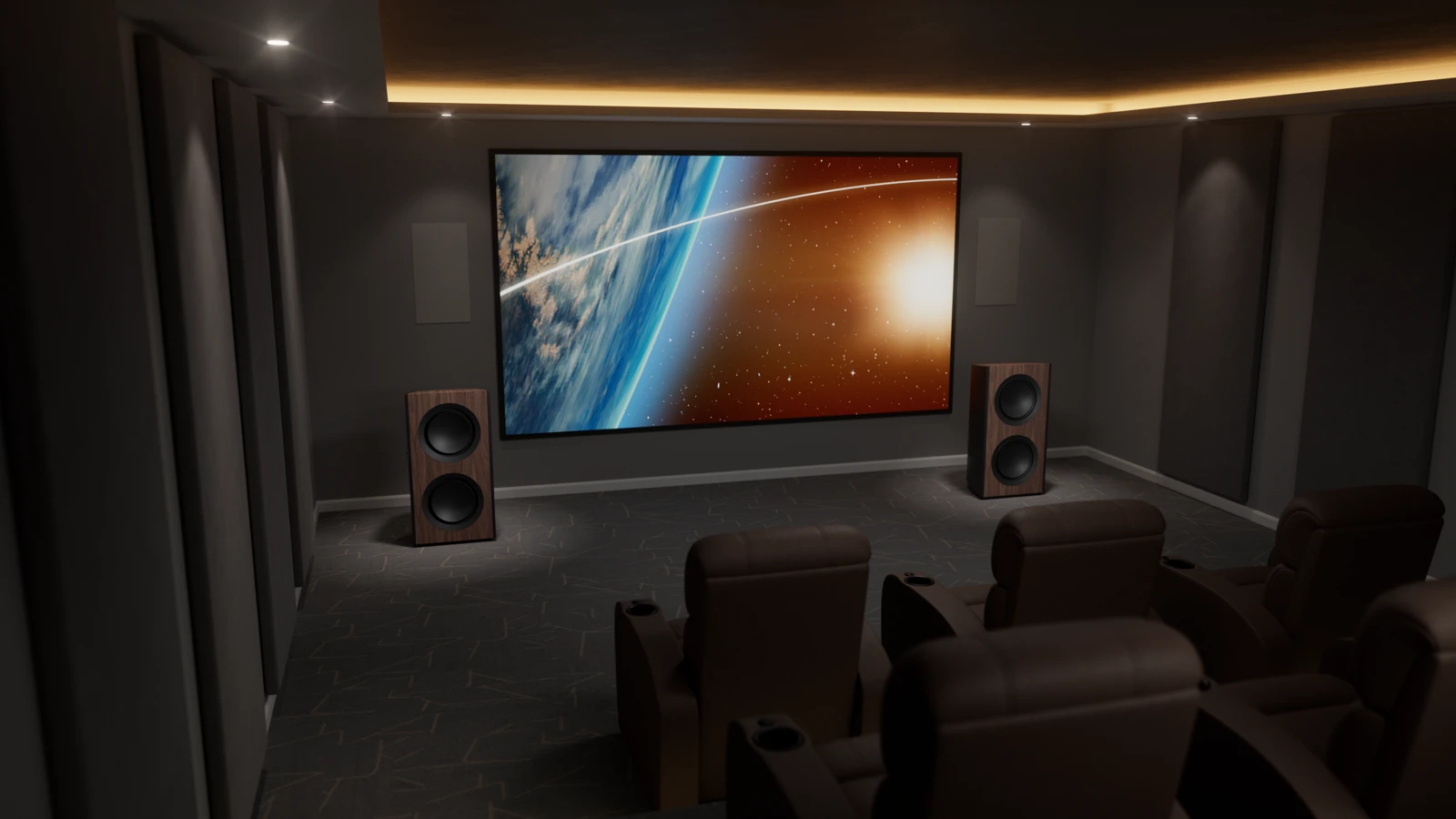
1. Map the listening seatsShow primary and secondary seats, not just the screen wall. Bass uniformity must be judged across the intended audience.
2. Test the locationsFront corners are convenient, but not automatically correct. Evaluate usable front, side and rear positions before furniture is fixed.
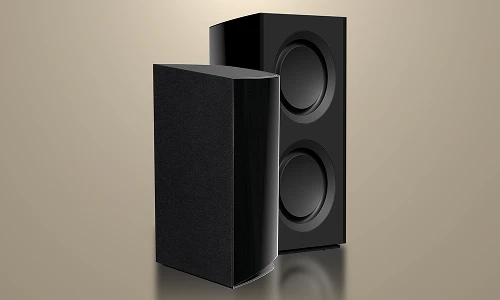
3. Reserve real spaceUse the published width, height and depth. Include grille removal, connectors, ventilation, cleaning and safe handling access.
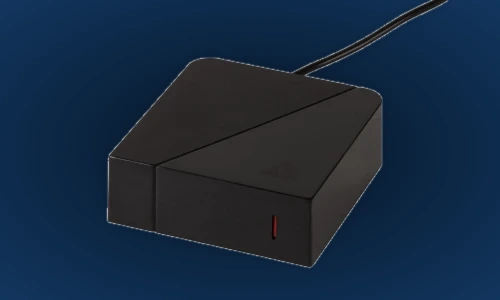
4. Plan signal and powerChoose XLR, RCA or optional wireless audio; provide local AC power and coordinate the source, processor and rack protection.
5. Choose the finish earlyReady-to-ship high-gloss black is different from a custom paint or veneer order. Lock the finish with the interiors schedule.
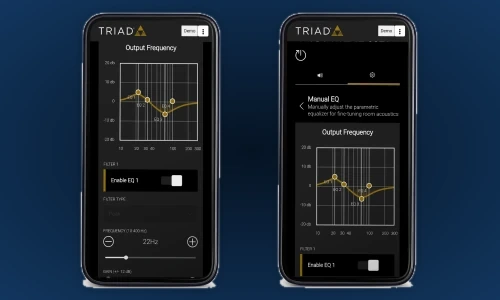
6. Measure and commissionSet level, crossover, phase, delay, parametric EQ and protection from measurements at the actual listening positions.