Home / Guides / Control4 Climate Control
Chicago climate-planning guide

Comfort should follow the room—not another app.

Plan Control4 around the real mechanical system: forced air, heat pumps, boilers, radiant floors, humidity equipment, fans and fireplaces. The goal is one simple experience without hiding important HVAC requirements.

Published July 13, 2026By Denali Tech Team15 min read
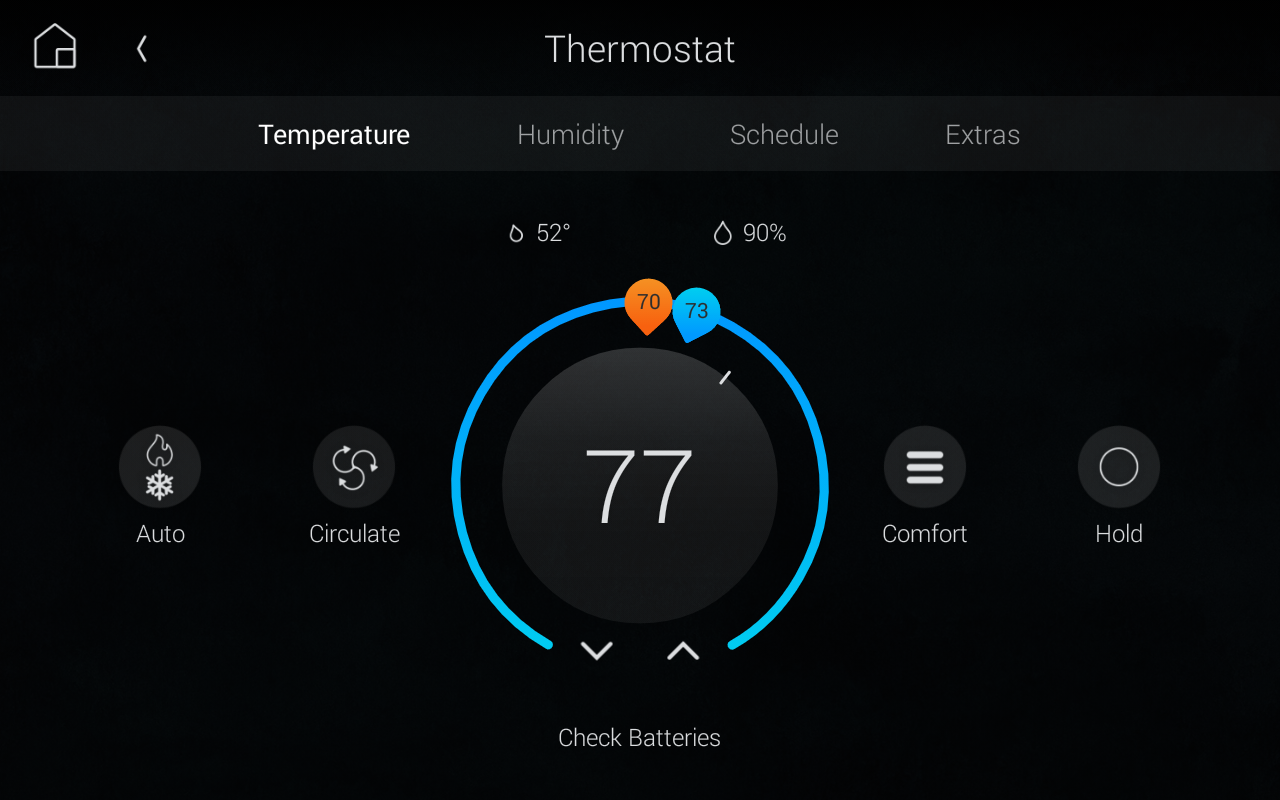
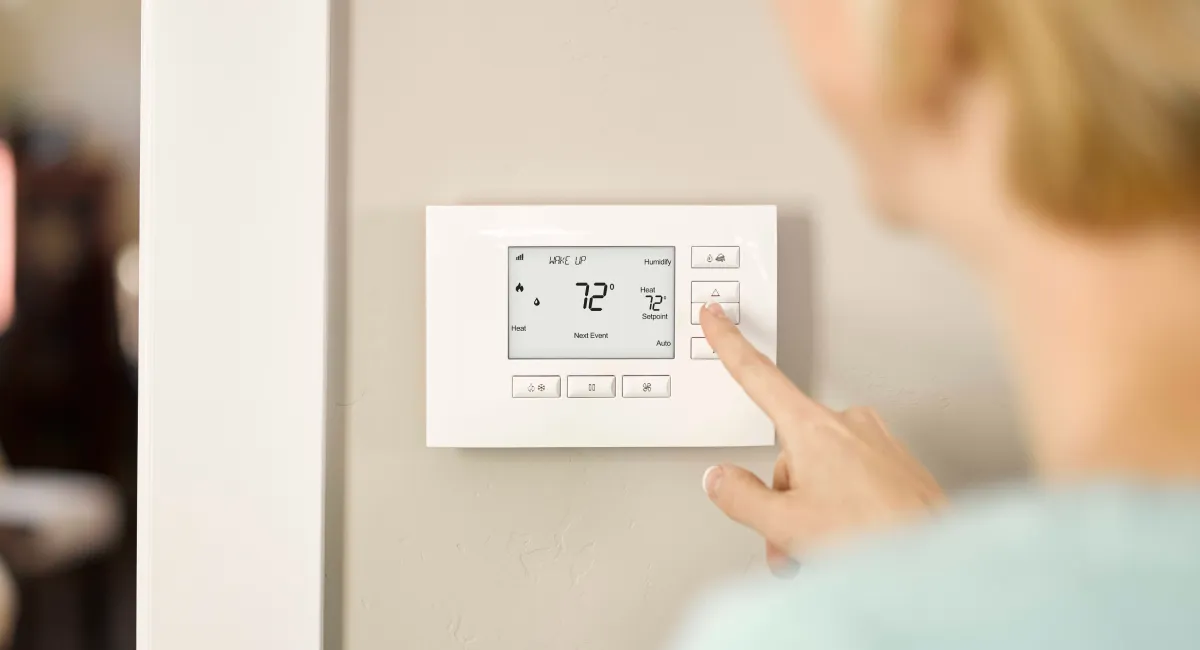
Control4 Wireless Thermostat by Aprilaire installed on a home wall
The Control4 thermostat keeps local control available while connecting comfort to the rest of the home.
Fast answer: use the Control4 Wireless Thermostat by Aprilaire when its HVAC compatibility and direct controls fit the system. Use a supported third-party thermostat or HVAC gateway when the mechanical manufacturer requires its own communicating controls. Treat radiant zones, humidity, fans and fireplaces as separate subsystems that can share one Control4 experience only after every relay, sensor, safety and driver is verified.

Three climate-integration paths

The right path is selected with the HVAC contractor—not after the equipment has already been ordered. A beautiful app cannot repair an incompatible control strategy.

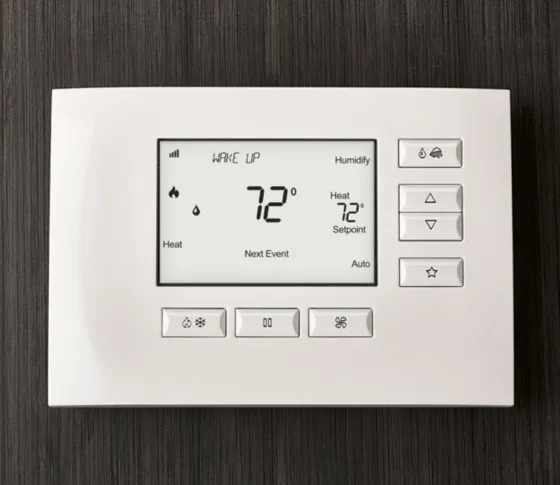
Control4 Wireless Thermostat by Aprilaire product view
DIRECT CONTROL4

Wireless Thermostat by Aprilaire

Heat + coolHumidityVentilation

Purpose-built for Control4 with local buttons, presets, schedules and support for a broad range of conventional HVAC applications.

  • Forced air, geothermal and dual-fuel compatibility
  • Humidification and dehumidification control
  • Optional remote temperature sensor
  • Consistent Control4 interface and automations
Best fit: systems whose equipment, stages, accessories and wiring match the published thermostat requirements.
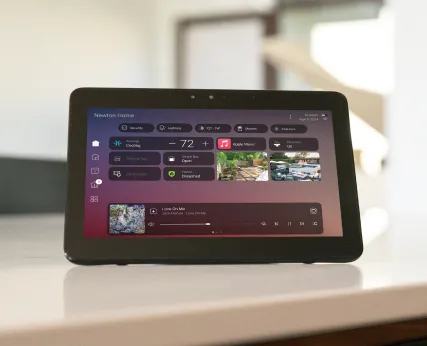
Control4 comfort experience integrating temperature, lighting and shades
MANUFACTURER CONTROLS

Third-party thermostat or gateway

Driver dependentBrand specificVariable capability

Communicating HVAC, VRF, mini-split and proprietary zone systems may need the manufacturer's thermostat or gateway with a supported Control4 driver.

  • Preserves manufacturer-required communication
  • Can expose multiple zones in one interface
  • Feature depth varies by device and driver
  • Firmware and cloud dependencies must be reviewed
Best fit: advanced equipment whose diagnostics, staging or warranty depend on its native control system.
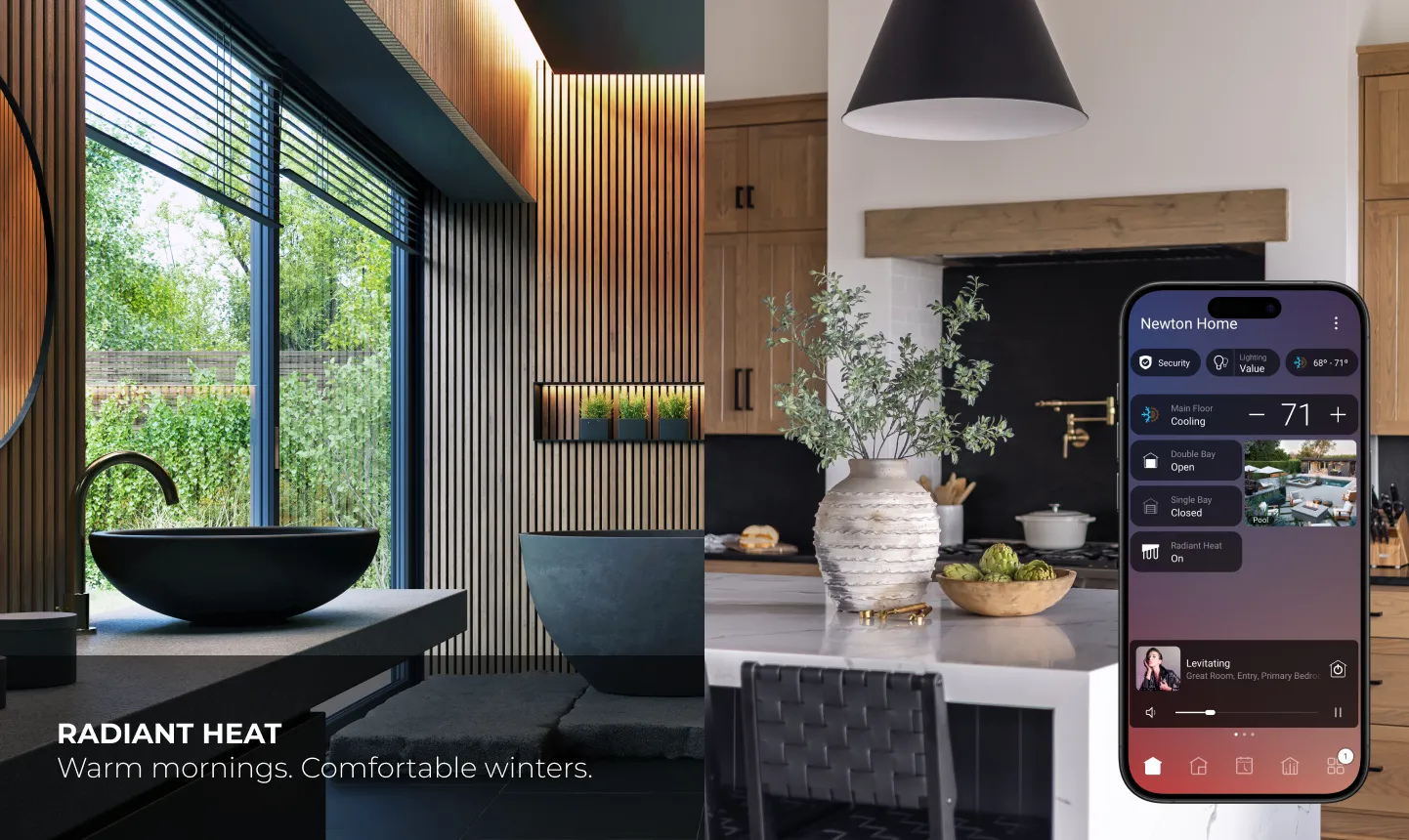
Control4 app controlling radiant floor heat in a luxury bathroom and kitchen
MULTIPLE SUBSYSTEMS

Radiant, boiler and auxiliary zones

Zone by zoneSlow responseSensor critical

Hydronic floors, towel warmers, snowmelt and boiler zones need their own actuators, sensors and control logic, then a deliberate Control4 integration layer.

  • Room-level schedules and remote adjustment
  • Warm-up times can start before occupancy
  • Works alongside forced-air cooling
  • Requires coordinated manifold and boiler logic
Best fit: Chicago-area homes with boilers, hydronic floors or mixed heating and cooling systems.

What changes between the systems?

System layerWhat it controlsWhat the homeowner seesBest planning advantagePrimary risk
Control4 thermostatCompatible HVAC stages, fan, ventilation and humidity accessoriesLocal thermostat plus Control4 Comfort screens, presets and schedulesMost consistent Control4 experienceAssuming compatibility without checking terminals, stages and equipment sequence
Third-party thermostatEquipment through a supported IP, serial, cloud or wireless driverControl4 interface plus the manufacturer's local control when retainedPreserves proprietary HVAC communicationDriver, firmware, internet or feature limitations
Radiant zone controlActuators, pumps, boiler demand and floor or air sensorsNamed rooms or zones with setpoints and schedulesCoordinates slow-response heat with routinesProgramming the app before documenting the hydraulic sequence
Fan controllerCompatible standard paddle-type ceiling fan at four speeds plus offLocal buttons, app, keypad, routine and voice controlQuiet, repeatable speeds within room scenesUsing it with an incompatible electronic or DC fan motor
Lux fireplace switchCompatible millivolt systems or DC power-rail loads through an isolated relayLocal switch and permitted Control4 commandsCoordinates ambience with room scenesBypassing manufacturer safety circuits or assuming every fireplace is compatible

Capabilities were checked against current official Control4 product and user documentation on July 13, 2026. Final compatibility depends on the exact HVAC model, accessories, driver and software release.

How a complete climate command travels

Every useful climate action crosses several layers. Documenting the chain makes troubleshooting and future service far easier.

1. IntentApp, touchscreen, keypad, routine, schedule or voice request
2. Control4Controller evaluates room, preset, occupancy and programmed conditions
3. InterfaceThermostat, gateway, relay or supported third-party driver
4. MechanicalZone panel, furnace, heat pump, boiler, pump, damper or actuator
5. FeedbackTemperature, humidity, mode, demand and available equipment status

Comfort goes beyond the thermostat

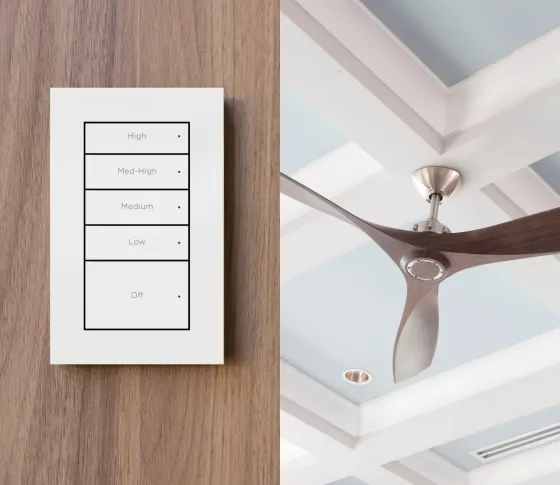
Control4 variable fan speed controller in a modern living room
Four-speed ceiling-fan control

A compatible paddle-type fan can join temperature schedules, room scenes and occupancy events while keeping a clear local keypad.

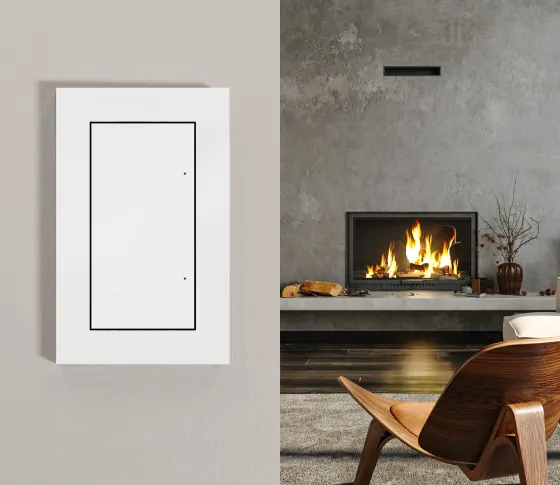
Control4 Lux Fireplace Switch beside a modern fireplace
Fireplace control with boundaries

The Lux Fireplace Switch uses an isolated relay for compatible millivolt or DC power-rail loads. Manufacturer safeties and operating rules remain mandatory.

Control4 routine coordinating climate, shades and lighting in a home
Routines that match the day

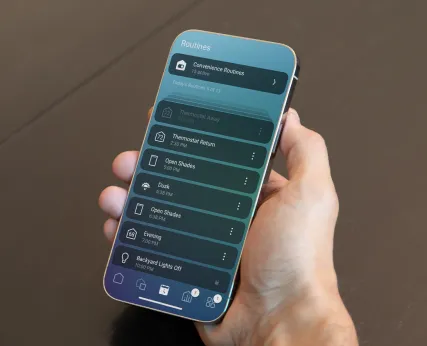
A morning routine can adjust a setpoint, warm a radiant bathroom, raise selected shades and start audio—without turning each subsystem into a separate ritual.

Control4 radiant heat control shown in the mobile app
Radiant heat needs patience

Floors respond slowly. Schedules, outdoor conditions and slab or room sensors should anticipate comfort instead of chasing rapid setpoint changes.

Chicago-area design realities

Heating and cooling may be separate

A boiler can heat the home while forced air or mini-splits provide cooling. Name and coordinate both systems instead of treating them as one thermostat.

Humidity changes by season

Whole-home humidifiers, dehumidifiers and ventilation equipment require their own compatibility, sensor and drain planning.

Radiant floors are slow

Hydronic slabs and underfloor zones need anticipatory schedules and sensible setback strategies developed with the HVAC designer.

Sunlight creates room imbalance

South and west glazing may drive cooling loads. Shades can reduce solar gain, but they do not replace correct HVAC zoning.

Utility rooms are tempting

An optional remote sensor can move the sensing point into the living space, but the thermostat body and sensor wiring must remain serviceable.

Power loss must be graceful

Define what every zone, valve, pump and thermostat does after an outage, network restart or controller service event.

Prewire and coordination checklist

1. Get the mechanical schedule

Record every furnace, air handler, condenser, heat pump, boiler, zone panel, ERV, humidifier and dehumidifier model.

2. Draw every zone

Name the rooms served by each thermostat, damper, radiant loop, actuator and sensor before the Control4 project is programmed.

3. Approve sensor locations

Avoid direct sun, supply air, exterior doors, fireplaces and other heat sources. Coordinate remote sensors before drywall.

4. Preserve required conductors

Have the HVAC contractor specify thermostat, sensor, gateway and accessory wiring for the exact equipment. Provide service loops and labels.

5. Plan network and power

Gateways, controllers and cloud-connected devices need reliable network coverage, power and a documented restart sequence.

6. Commission with both trades

Test heating, cooling, staging, fan, humidity, ventilation, radiant demand, alarms and loss-of-communication behavior together.

Division of responsibility: the licensed HVAC contractor owns equipment sizing, refrigerant, combustion, venting, hydronics, airflow and the approved mechanical sequence. The automation integrator connects supported controls and builds the homeowner experience. Both teams must sign off before concealed wiring is closed.

A simple client explanation

“Control4 does not replace your furnace, boiler or heat pump. It gives all the compatible zones one clear interface and lets comfort coordinate with shades, lighting and routines. We first confirm how the mechanical system must operate, then choose the thermostat or gateway, wire every sensor and zone, and program the automations around that approved sequence.”

Planning HVAC, radiant heat and Control4 together?

Send Denali Tech the mechanical schedules, floor plans, reflected ceiling plans, radiant-zone drawings and desired routines. We can coordinate the thermostat, sensor, gateway, keypad and network requirements before walls close.

Official Control4 references

Related Control4 planning guides