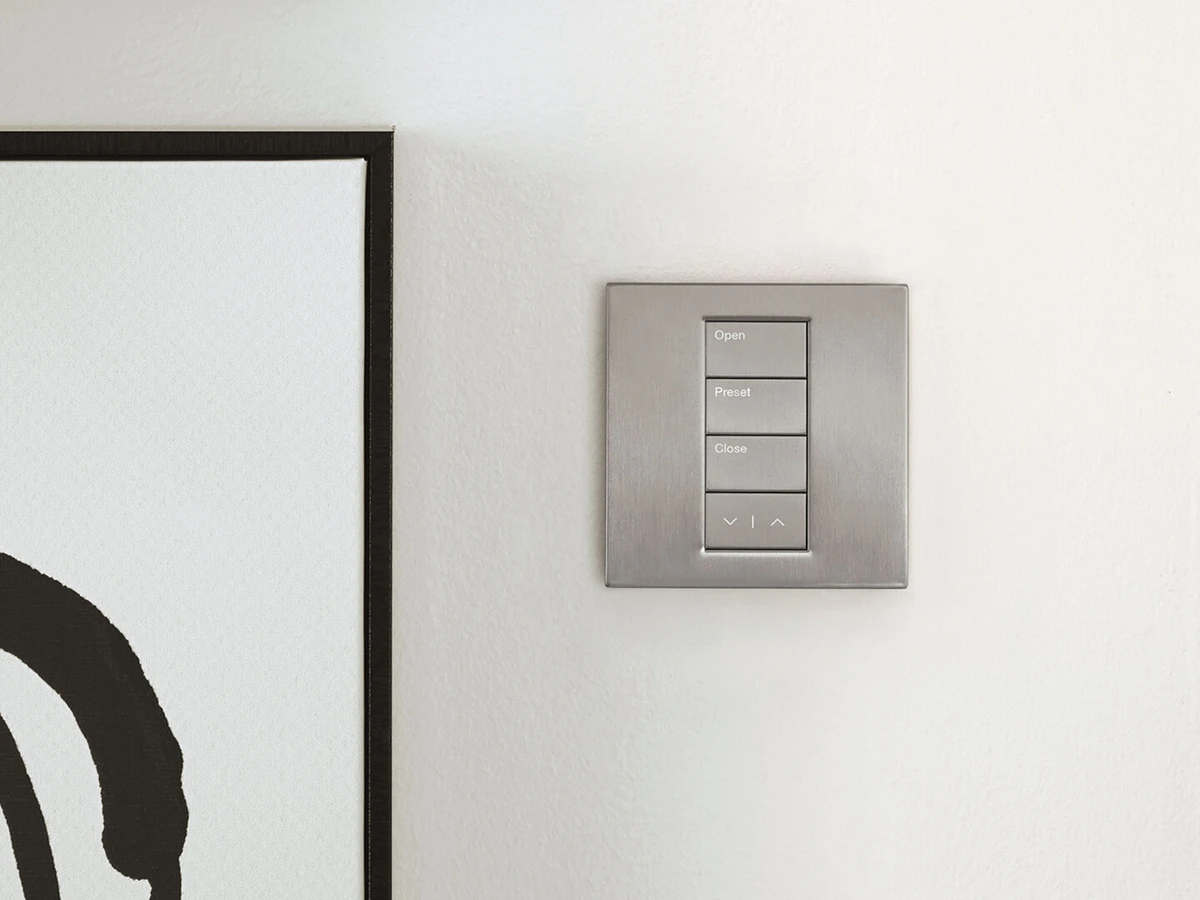
PalladiomQuiet and architectural
All three can control a Lutron HomeWorks system. The real decision is how the keypad should look, feel and belong in the room. This visual comparison makes that conversation easier.
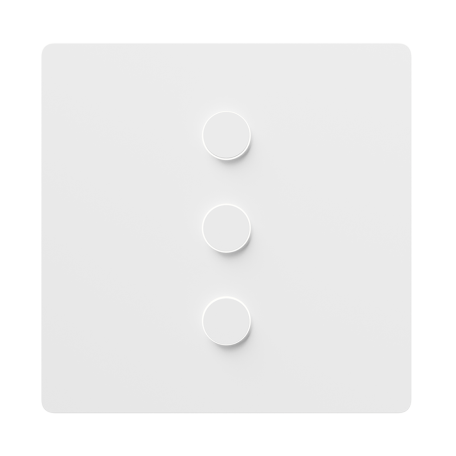

These keypad families share the job of recalling scenes and controlling the home. Their proportions, materials and interaction are intentionally different.
A flush, planar keypad with rectangular buttons and a visually quiet profile.
Circular buttons, illuminated halos and a hand-finished solid-brass faceplate give Alisse a more decorative presence.
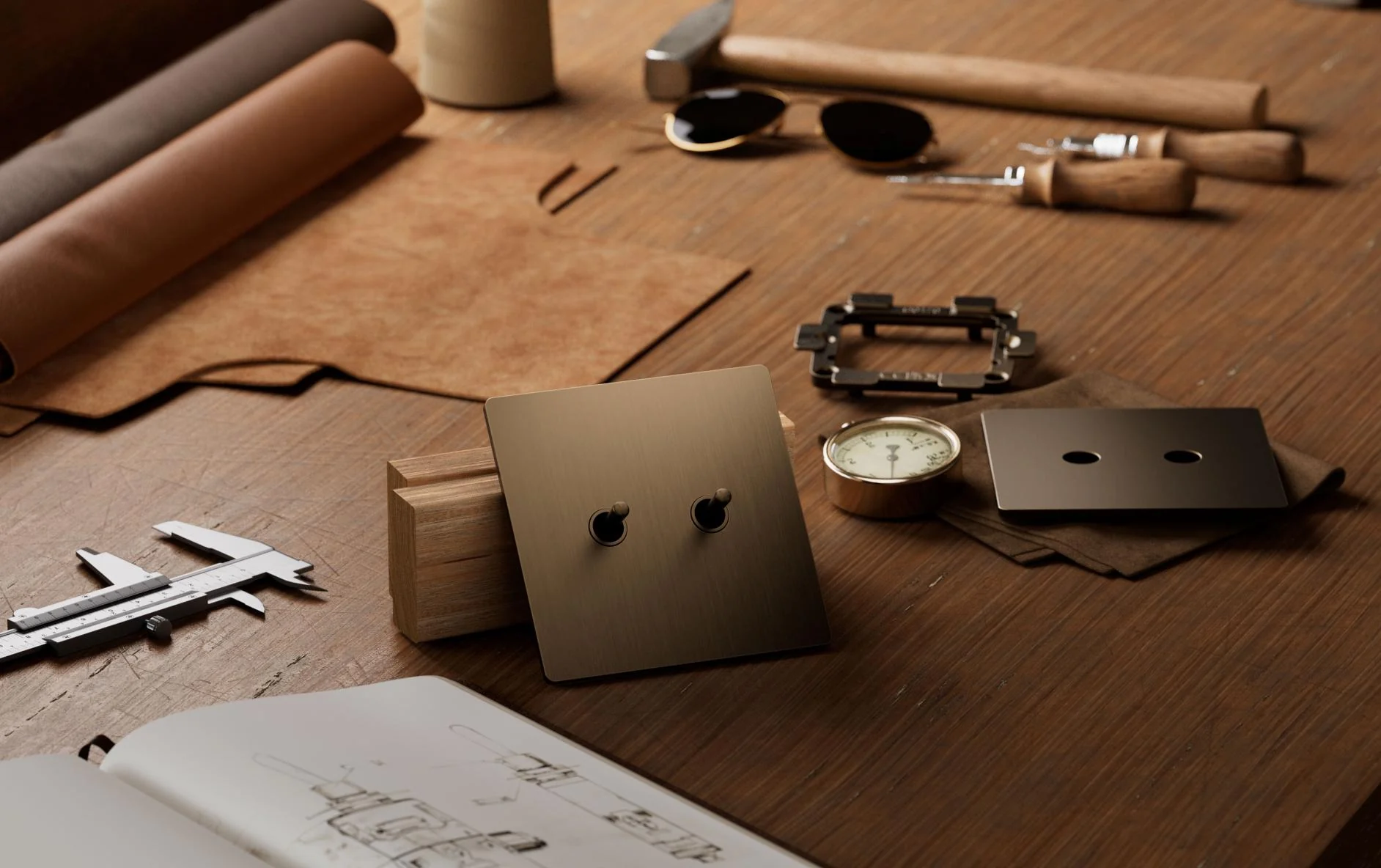
A sculpted solid-brass control centered on a weighted, center-retractable mechanical toggle.
| Decision | Palladiom | Alisse | Aviena |
|---|---|---|---|
| Visual language | Minimal, flush and geometric | Round, luminous and jewelry-like | Sculpted, mechanical and familiar |
| Primary interaction | Flat engraved buttons | Circular engraved buttons with halo light | Weighted center-retractable toggle |
| Material expression | Broad architectural finish language | Hand-finished solid brass | Sculpted solid brass |
| Layout options | Two, three, four, or three plus raise/lower | One to six buttons; single or double column | One to four toggles; several faceplate formats |
| Feels most at home in | Modern, transitional and visually restrained spaces | Interiors where metalwork and detail deserve attention | Traditional, heritage or tactile design schemes |
| System context | Professional low-voltage controls for compatible Lutron HomeWorks designs; exact parts and regional availability must be confirmed for the project | ||
Room light, adjacent metalwork and wall material can change how a finish reads. For a custom home, the keypad should be reviewed beside the actual paint, stone, wood, hardware and electrical devices.
Choose the design language early enough to coordinate with the interior and electrical teams.
Review a physical sample in the room's expected daytime and evening light.
Give the household useful choices without turning the wall control into a command center.
Use short, consistent labels such as Welcome, Entertain, Shades and Goodnight.
Coordinate orientation, gang arrangement, mounting height and alignment with nearby devices.
Confirm the HomeWorks design, low-voltage wiring and required hardware before walls close.
Decide what each press, raise/lower action or extended hold should do in daily life.
Protect finished controls and keep the final keypad schedule with the home documentation.
A large home does not need every keypad to be identical, but variation should have a reason. A change in family or finish can make sense between distinct architectural zones; random room-by-room choices usually make the finished home feel less resolved. Confirm any mixed-family plan with the Lutron designer before ordering.
Lutron Palladiom keypad · Lutron Alisse keypad · Lutron Aviena keypad · Lutron HomeWorks. Reviewed August 17, 2026. Finish, configuration, system and regional availability should be verified for the final project.
Bring the floor plan, room elevations and finish palette. Denali Tech can help turn those selections into a consistent keypad and scene schedule for the home.