Home / Guides / Heated Driveway & Snow Melt
Chicago winter planning guide

A heated driveway is a mechanical system hidden inside a hardscape.

Choose electric or hydronic heat, automatic snow detection, coverage zones, drainage and smart-home controls before concrete, asphalt or pavers lock the design in place.

Published July 13, 2026By Denali Tech Team16 min read
Luxury Chicago-area home with a heated driveway and walkway melting fresh snow at blue hour
A snow-melt system should quietly keep the planned travel path clear while snow remains on adjacent unheated surfaces.
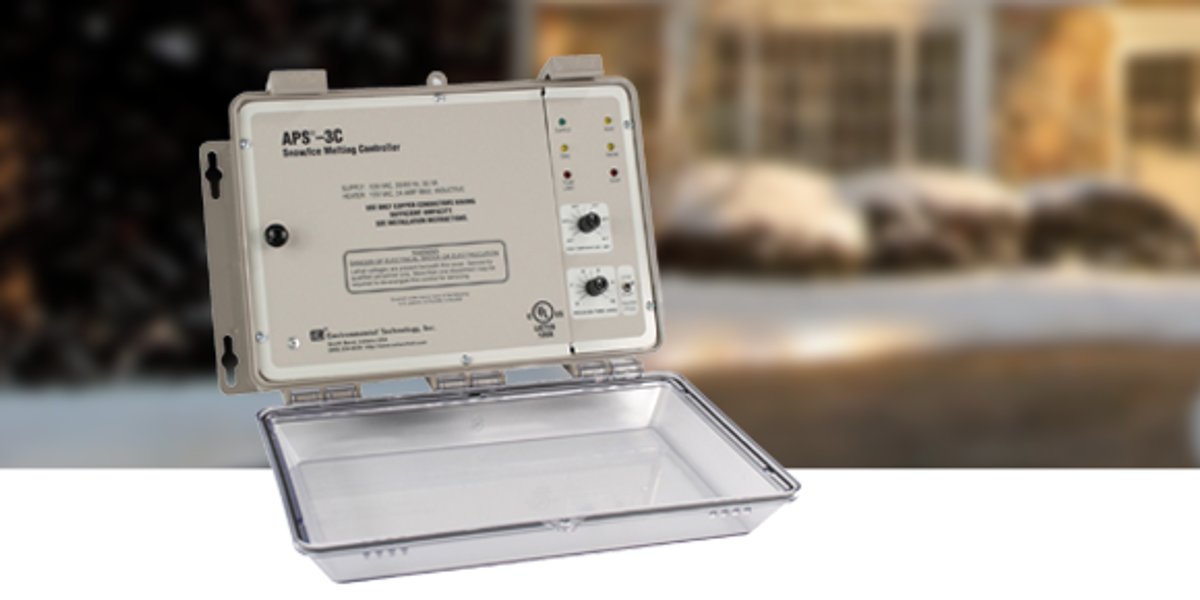
Fast answer: design the heating system, slab, sensor locations, zones, drainage and energy source as one package. Let the listed snow-melt controller own automatic detection, slab temperature, equipment sequencing and protection. Use Control4 for supported status, timed overrides, scenes and alerts—never as the only safety or limit control.

Hydronic or electric?

Both can melt snow effectively when engineered correctly. The right answer depends on heated area, available gas/electrical capacity, surface construction, mechanical space and operating priorities.

HYDRONIC

Heated fluid through embedded tubing

  • Boiler or approved heat source, pumps and mixing
  • Glycol concentration and fluid maintenance
  • Manifold, zones, balancing and purge/service access
  • Boiler return and slab-temperature protection
  • Often considered for larger or multi-zone areas
  • Requires mechanical-room and piping coordination
ELECTRIC

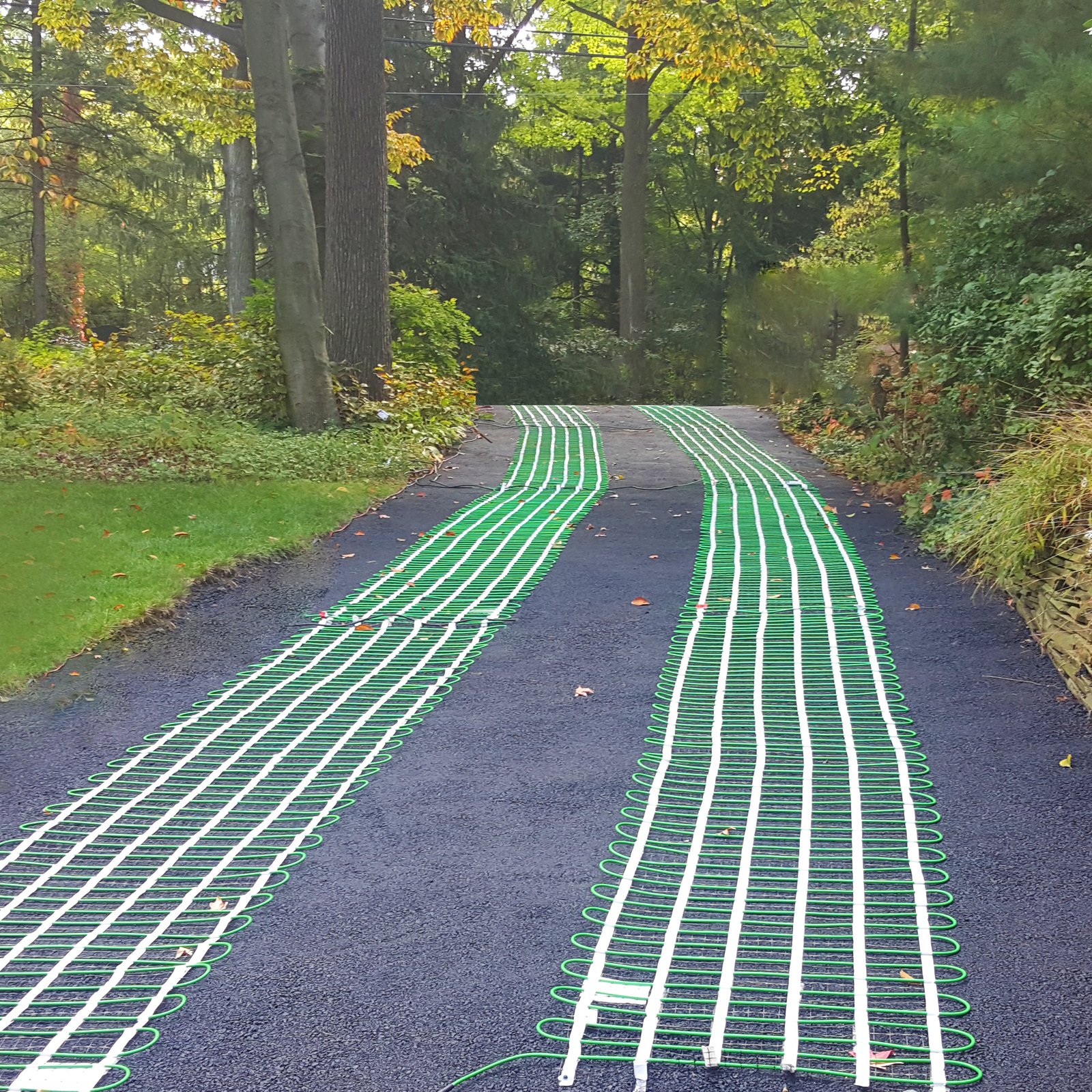
Heating cable or mats in the surface

  • Dedicated electrical service and branch capacity
  • Contactors/relay panels and ground-fault protection
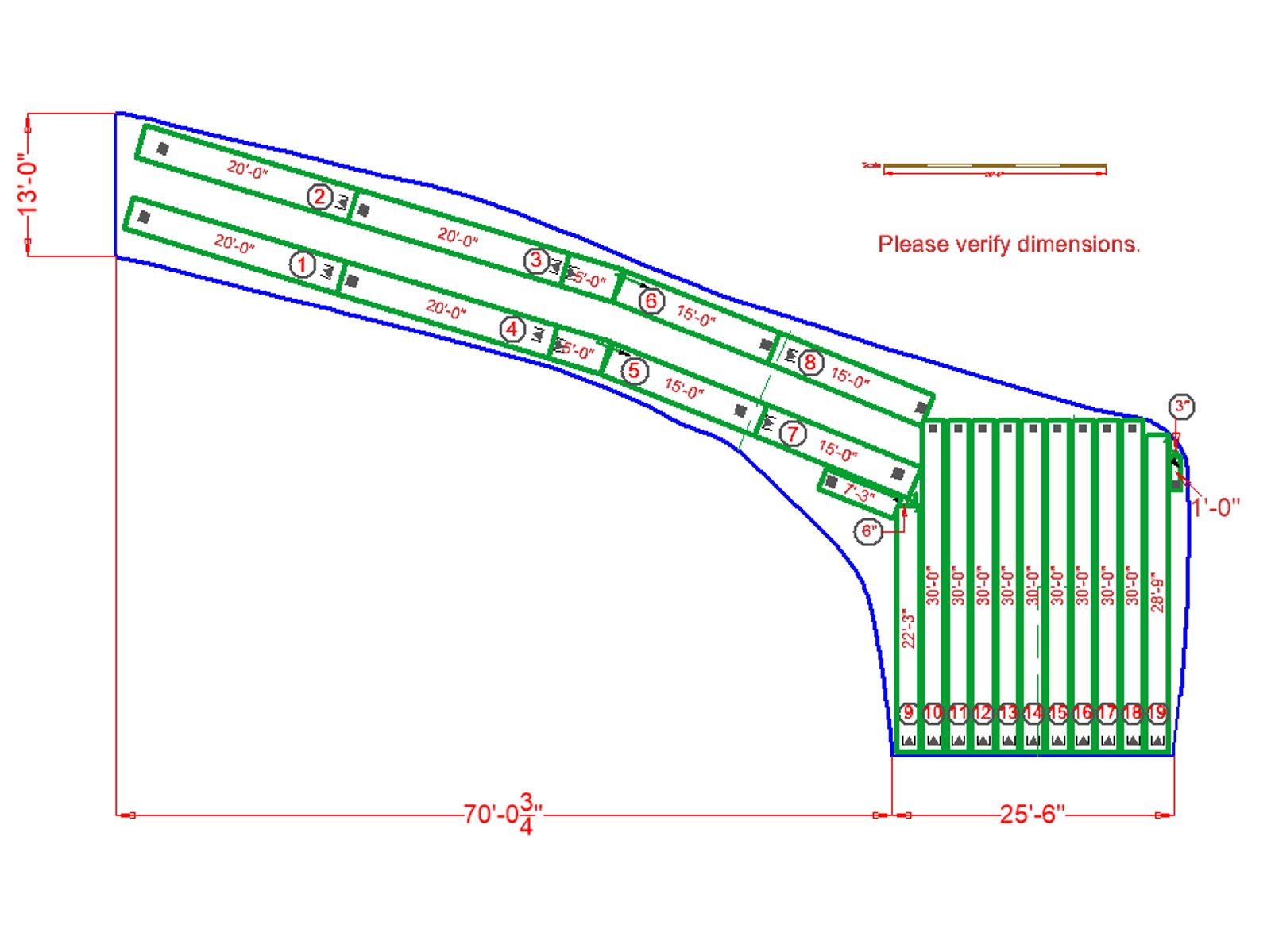
  • Cable layout, spacing, cold leads and junction locations
  • No boiler, pump, glycol or hydronic manifold
  • Often practical for targeted or smaller areas
  • Operating cost depends heavily on utility rate and area

Compare the whole project, not only the heat source

DecisionHydronicElectricAsk before choosing
Energy infrastructureBoiler/heat source, fuel, pumps, mixing and controlsService capacity, feeders, contactors and protected circuitsWhat utility capacity exists now and what else must it serve?
Best-fit scaleCan be attractive for large or multiple areas with suitable plantCan be straightforward for walks, stairs, tire tracks or smaller zonesFull surface, traffic path or only critical areas?
Mechanical complexityTubing, fluid, air elimination, expansion, mixing and manifoldCable/mats, cold leads, junctions, relays and electrical protectionWho will commission and maintain it long term?
Surface coordinationTubing depth, spacing, pressure test and pour protectionCable spacing, resistance/insulation tests and installation protectionConcrete, asphalt or paver assembly and movement joints?
Failure/serviceFluid, pump, valve, boiler and tubing diagnosticsCircuit, cable, sensor, contactor and ground-fault diagnosticsWhat remains accessible after the surface is finished?
Backup powerFuel may be available, but pumps/controls still need electricityLarge electrical load may be impractical for generator backupIs snow melt a backed-up load, a shed load or unavailable in outage?

Coverage is a business decision and a safety decision

Full-surface coverage

Best visual result and walking/driving flexibility, but highest installed capacity and operating energy. Plan where meltwater leaves the heated field.

Tire-track coverage

Reduces heated area and load, but does not create a fully clear walking surface and may leave snow between or outside the tracks.

Critical-path coverage

Prioritize front walk, steps, accessible route, steep section, apron, gate track or loading area based on real risk and budget.

Automatic snow melt is a six-step control sequence

Detect

Sensor recognizes moisture/snow and surface or outdoor temperature.

Qualify

Controller checks warm-weather shutdown, cold cutout, schedule and operating mode.

Preheat

System raises slab temperature early enough for the design storm and surface.

Melt

Heat is modulated or staged while equipment and slab limits remain protected.

Dry

Run-on time helps clear residual moisture without unnecessary indefinite operation.

Stop + report

Native controller ends the cycle and Control4 can show supported status or alert exceptions.

Client expectation: snow melt is not instant. Deep cold, wind, snowfall rate, delayed start, a cold slab or limited capacity can extend clearing time. Some controllers intentionally use a cold-weather cutoff when heating would be inefficient.

Sensor placement controls the result

Representative exposure

Place detection where it sees the weather that matters—not under an overhang or in an unusual drift unless intentionally designed.

Moisture + temperature

An in-slab snow/ice sensor can detect surface conditions and slab temperature for automatic operation.

Serviceable socket

The socket belongs in the pour plan so the sensor can be installed correctly and serviced without destroying the slab.

Redundancy where needed

Large, critical or differently exposed areas may justify multiple sensors or separate zones when the controller supports them.

The current tekmar 093 kit includes the 090 in-ground sensor and 091 socket, with moisture/snow detection and slab-temperature feedback. Exact placement and cable requirements must follow the selected controller and sensor manuals.

Energy planning belongs in the proposal

Installed capacity

Calculate heated area and design output, then confirm the boiler or electrical service can deliver it with other loads operating.

Idle / preheat strategy

Holding a slab warm can improve response but uses energy. Compare automatic detection, forecast preheat and idle settings realistically.

Zones + priority

Divide the property so critical paths can operate first or independently when the heat source or service cannot support everything at once.

Metering + history

Use supported runtime, electrical, fuel or flow data to understand actual events; do not estimate savings from app status alone.

NON-NEGOTIABLE SYSTEM BOUNDARIES

A clear driveway can still create hazards at its edges

Runoff and refreeze

Drain meltwater away from unheated walks, streets, door thresholds, gate tracks and low spots where it can freeze again.

Slab and boiler limits

Temperature, mixing, return-water and equipment protection stay in the listed snow-melt/mechanical controls.

Electrical protection

Use required ground-fault protection, contactors, disconnects, cable tests, markings and overcurrent protection designed by the electrician.

Surface construction

Coordinate reinforcement, joints, base, insulation, cover depth, paver/asphalt assembly and repair procedures with the manufacturers.

Manual snow plan

Keep a backup plan for outage, equipment fault, snowfall beyond design, delayed start and unheated areas. Automation is not a guarantee.

Control classification

tekmar product specifications state these are not safety/limit controls. Required independent limits and safeties remain in place.

Prewire and commissioning checklist

1. Define the objective

Identify full-clear, tire-track or critical-path coverage; storm expectation; response time; surface; slopes and accessibility needs.

2. Complete the load study

Engineer electric service or hydronic output, zones, priority, backup-power behavior and realistic operating cost.

3. Coordinate the hardscape

Lock sensor, tubing/cable, joint, drain, edge, penetration and lead routes into the structural/site plan before construction.

4. Reserve controls

Plan controller, relay/contactors or boiler equipment, disconnects, manifold, network and service clearances in protected locations.

5. Verify the interface

Confirm exact driver or gateway, start/stop method, zones, status, faults, timing, internet dependency and native-app ownership.

6. Test before cover

Record resistance/insulation or tubing pressure tests at every required construction stage and photograph the complete as-built layout.

7. Commission a wet test

Test sensor detection, zone operation, slab feedback, shutoff/run-on, equipment protection, Control4 status and failure alerts.

8. Train and maintain

Document seasonal startup, sensor cleaning, glycol/mechanical or electrical service, emergency stop and manual snow-removal plan.

A simple client explanation

“The snow-melt controller watches the slab and weather, then safely operates the boiler or electric heat. Control4 gives you one clean place to see the system, start a timed override and receive an alert. The performance comes from the hidden design—coverage, heat capacity, sensors, drainage and construction—not from the app.”

Planning a heated driveway, walkway or front entrance?

Send Denali Tech the site and hardscape drawings, heated-area goal, surface assembly, drainage, mechanical/electrical load information and selected snow-melt equipment. We can coordinate the Control4 experience before the pour makes sensor, conduit and zone changes expensive.

Official references

Related planning guides